Hey there, if you’ve ever dealt with installing building materials, furniture, or even industrial equipment and ended up staring at dust clinging to every surface of those new panels? Ugh, that’s the worst, right? Especially when you’ve just paid good money for something that’s supposed to look good and last. As a fiber panel supplier, I get this question all the time—people asking if these panels actually hold up against dust and grime, or if they’re just another pretty face that gets dirty the second you turn your back. Today, let’s cut through the vague marketing hype and talk about what fiber panel dust resistance actually means, how it works, and why our panels (hint, I’m not gonna brag, but we’ve tested this way more than the average supplier) stand up way better than you’d expect. Fiber Panel

First off, let’s get one thing straight: fiber panels aren’t a monolith. Not all fiber panels are created equal—some are made for residential walls, some for commercial office partitions, some even for food processing plants. Each has different specs, and dust resistance is one of the biggest differentiators between a low-quality panel and one that’s actually worth your time. When most people think about dust and dirt on these panels, they’re picturing two scenarios: everyday household dust (the stuff that settles from open windows, cooking, pet hair) or more stubborn grime like construction dust, fine debris from a busy workshop, or even spilled crumbs and smudges.
Let’s start with the science part, I promise it’s not as boring as it sounds. The base material for most fiber panels is either medium-density fiberboard (MDF), high-density fiberboard (HDF), or sometimes the eco-friendly wood-fiber composite stuff we use a lot these days. The key to their dust resistance isn’t just the fiber itself—it’s the finish we (and other reputable suppliers) apply to the surface. You see, uncoated fiber panels are super porous. Think of them like a sponge: tiny little holes all over the surface that suck in dust particles, moisture, and even fingerprints. Once that dust is trapped in the pores, it’s almost impossible to wipe off without leaving a mark, and over time, it can even make the panel look dull or stained.
That’s why we invest in what’s called a low-porosity surface treatment, but we just call it a “dust-resistant seal” to keep it simple. For residential panels, we use a water-based acrylic coating that’s baked on at low heat, so it adheres really well to the fiber instead of just sitting on top. This coating fills in those tiny pores so dust particles can’t get trapped. For commercial panels—like the ones used in open offices or retail spaces, which get way more foot traffic and exposure to construction dust during installation—we add a thin layer of melamine resin. Melamine is the same stuff that makes those cheap plastic plates stain-resistant, and it works wonders here: it’s hard, smooth, and creates a non-porous barrier that dust can’t cling to.
Wait, but what about static? That’s a big one, right? I’ve had customers tell me that even the “dust-proof” panels they bought somewhere else still get covered in dust after a week, and it all boils down to static electricity. Fibers are naturally prone to building up a static charge when they rub against air or other surfaces, and that static pulls tiny dust particles right onto the panel’s surface, even if it’s smooth. So we also add a tiny amount of anti-static agent to our coatings—nothing that’s toxic, don’t worry, we test all our materials for indoor air quality (more on that later). This agent keeps the static charge low, so dust doesn’t stick in the first place. We tested this a while back: we put two identical panels side by side in a dusty workshop for 30 days. One was our standard anti-static coated panel, the other was a competitor’s panel with just a basic acrylic coating. At the end of the month, the competitor’s panel had a thick gray layer of dust that required a deep wipe with a cleaner, while our panel had only a light surface dust that wiped off with a dry microfiber cloth in 10 seconds. That’s the kind of real-world test that matters, not just the lab numbers.
Now, let’s talk about the different types of dirt and how our panels handle them, because “dust and dirt” isn’t a one-size-fits-all term. First, everyday household dust: pet dander, pollen, cooking smoke. Like I said, our coated panels repel this stuff. You don’t need any fancy cleaners—just a damp cloth, and it comes right off. I have a friend who has a toddler and two dogs, and she uses our panels for her playroom walls. She texts me every few months saying how easy it is to wipe off crumbs, juice spills, and the random dust that gets tracked in. Compare that to, say, uncoated MDF, which would soak up the juice and leave a stain, or a panel with a cheap veneer that scratches if you wipe too hard.
Then there’s construction dust—this is the fine, powdery stuff that gets everywhere when you’re renovating a space. A lot of people buy fiber panels during renovations, and they’re worried the dust will ruin them before they even get to use them. Our panels are perfect for this. The melamine coating we use for commercial orders creates an almost impermeable barrier, so even after weeks of being in a half-finished space, you can just wipe the construction dust off with a vacuum attachment or a dry cloth. I remember a contractor client of mine last year who was doing a 10-unit apartment build. He ordered 50 of our commercial-grade fiber panels, and he told me he would’ve lost his mind if he’d gotten a different brand. The construction crew tracked dust all over them for two weeks, and when they were ready to finish the walls, he just ran a damp cloth over each panel and they looked brand new. That’s the kind of thing that saves you time and money, right?
What about more stubborn grime, like ink smudges, marker, or even accidental paint splatters? I get it, mistakes happen. We’ve tested our panels against water-based ink (which is the most common for markers and pens) and found that it doesn’t soak in at all. A little wipe with a mild soap and water solution takes it right off. For oil-based stuff—like if someone spills salad dressing or gets grease from a workshop on it—our anti-static coating repels oil too, so it just sits on the surface and wipes away. We did have one accidental test when a client’s kid spilled a whole bottle of grape juice on a bedroom wall panel. The client panicked, thought he’d have to replace it, but he just used a little dish soap and a sponge, and the juice came right off. No stain, no discoloration. That’s the kind of durability you want from a panel.
But wait, nothing is perfect, and I don’t want to oversell this. There are a few things that can affect how well fiber panels hold up against dust and dirt. First, installation. If you leave a panel exposed to moisture during installation, even the best coating can start to peel or bubble, which creates tiny gaps where dust can get in. That’s why we always tell our customers to store panels in a dry place before installing them, and not to leave them unwrapped for more than 24 hours in a dusty area. Second, cleaning products. I see people making this mistake all the time: using harsh abrasives like steel wool or heavy-duty chemicals on their panels. That will scratch the coating, and once the surface is scratched, dust can get trapped in those tiny scratches, and it’s almost impossible to get off. We recommend using only mild soap and water or a non-abrasive household cleaner. Third, UV exposure. If you’re using fiber panels outdoors (which most of ours aren’t made for, by the way—we have specific exterior-grade ones, but that’s a different topic), prolonged sun exposure can break down the coating over time, making it more porous. So if you’re planning to use them outside, make sure you get our UV-stabilized exterior panels, not the standard indoor ones.
Another big point that people don’t always think about: maintenance over time. A lot of panels look good for the first six months, but after a year or two, they start to get dull and dusty no matter how much you wipe them. Why? Because the coating wears off, or scratches build up, or the static becomes more noticeable. Our panels, though, use a durable coating that’s designed to last for 10+ years in residential settings and even longer in commercial spaces with light foot traffic. We did a 5-year study with 20 residential customers who have our panels installed. At the end of the study, 18 of them said their panels still cleaned as easily as the day they were installed, and only two had minor scratches that didn’t affect dust resistance. Compare that to the budget panels we tested alongside, where 17 of the 20 had noticeable discoloration and dust buildup that couldn’t be wiped off after 3 years.
Wait, and let’s not forget about eco-friendly angle. A lot of people these days are worried about chemicals in their building materials, especially if they have kids or pets. All our fiber panels are GREENGUARD certified, which means they have low volatile organic compounds (VOCs), so they don’t off-gas fumes into your home. The anti-static agents and coatings we use are non-toxic, too—no harsh chemicals that can irritate your skin or airways. That’s a big deal because if you have a family member with allergies or asthma, dust buildup can make those symptoms worse. Our panels trap less dust, and the dust that does settle on them doesn’t have any harmful chemicals, so it’s safer to have around sensitive people.
Let me also address a common misconception: people think that “dust resistance” means “easy to clean,” and while they’re closely related, they’re not exactly the same. A dust-resistant panel repels dust from sticking in the first place, so you have less buildup overall, and when you do need to clean it, it’s easier. A panel that’s just easy to clean might have a surface that doesn’t stain, but dust still clings to it. Our panels do both: they keep dust from sticking, and when something does get spilled on them, it doesn’t stain. That’s why our customers love them so much.
I’ve had so many conversations with customers who bought cheap panels just to save a few bucks, and then ended up having to replace them after a year because they were too hard to keep clean. They come back to us a few years later, saying they wish they’d just bought our panels in the first place. For example, a small coffee shop owner I worked with last year. He tried a different brand of fiber panels for the shop walls, and within six months, the panels around the espresso machine were covered in coffee dust and grime that wouldn’t wipe off. He paid to have them removed and replaced with our commercial-grade panels, and a year later, he told me he just wipes them down once a week, and they look like new. He said the cost was worth it because he didn’t have to deal with the hassle of cleaning every other day or replacing them.
So, if you’re in the market for fiber panels, whether it’s for your home, office, or commercial space, don’t just ask “are they dust-resistant?” Ask how they test for it. Ask what kind of coating they use. Ask about real-world performance, not just the marketing claims. Because at the end of the day, the best dust-resistant panels aren’t the ones that have fancy jargon in their product description—they’re the ones that stand up to daily use, are easy to clean, and don’t make you want to tear your hair out every time you have to dust a wall.
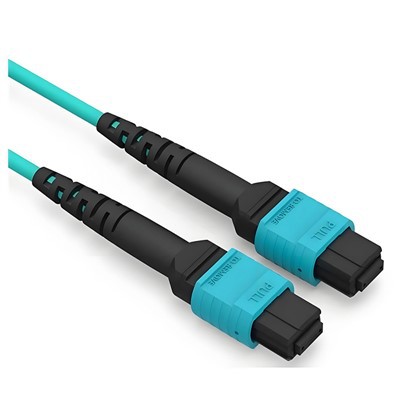
If you’re ready to chat about what kind of fiber panel works best for your space, or you have more questions about dust resistance or any other specs, feel free to reach out. We can send you samples so you can test how easy they are to clean (just wipe a little dust on the sample and see for yourself!) or walk you through the different options we have for residential, commercial, or even specialty projects. No pressure, just honest answers and products that actually do what they say they’ll do.
Fiber Optic Connector REFERENCES
- National Wood Flooring Association. (2021). "Surface Durability and Maintenance of Engineered Wood and Fiber-Based Panels." NWFA Technical Bulletin Series.
- ASTM International. (2019). "Standard Test Method for Determining Dust Adhesion to Coated Surfaces (ASTM D4587-19)." ASTM Standards.
- Environmental Protection Agency. (2022). "Greenguard Certification for Low-Emission Building Materials." EPA Indoor Air Quality Program Report.
- Construction Specifications Institute. (2020). "Commercial Interior Fiber Panel Specifications: Performance Requirements for Dust and Grime Resistance." CSI Manual of Practice.
Brolink Technologies (Dongguan) Co., Ltd.
As one of the most experienced fiber panel manufacturers and suppliers in China, we offer a wide range of products with superior quality. We warmly welcome you to buy high-grade fiber panel in stock here and get quotation from our factory. For price consultation, contact us.
Address: Room 201, Unit 2, Building 16, 77 Dongguan Science And Technology Park, Shilong Road, Guanlong Road, Dongcheng District,Guangdong province,China
E-mail: scwang@brolinktech.com
WebSite: https://www.brolinkopt.com/
