If you’ve ever been at a music festival when the main grid goes down for a few hours, or seen a construction crew scrambling to keep their cranes running when the local power company can’t deliver, you’ve probably wondered where that backup power comes from. For most small setups, a generator will work in a pinch—but for big, long-term jobs, or places that need reliable, scalable power without tying into a permanent grid connection, there’s a better solution: a gas mobile power plant. Mobile Power Plant

Let me start with the basics, no overly technical jargon, promise. A gas mobile power plant is basically a self-contained, transportable power unit that runs on natural gas or propane (sometimes even liquid natural gas, or LNG) instead of diesel, gasoline, or heavy fuel oil. Unlike a standard portable generator that’s made for small jobs—like powering a fridge or a couple of tools for a few hours—these things are built to crank out megawatts of power, enough to run a small neighborhood, a large construction site, or a temporary event space for weeks, even months. And the best part? They come on wheels or trailers, so you can move ’em wherever you need power, whenever you need it.
I’ve been supplying these units for almost a decade now, and the question I get most often from new customers is: “What makes a gas mobile plant different from just renting a big diesel generator?” The short answer is efficiency, affordability, and ease of use. Diesel generators are great for short-term, low-power needs, but when you’re running 24/7 for extended periods, the fuel costs add up fast. Natural gas, for starters, is way cheaper per unit of energy than diesel in most parts of North America and Europe. It burns cleaner, too—lower emissions of sulfur, nitrogen oxides, and particulate matter, which is a big deal if you’re working in a populated area where environmental rules are strict, or if you’re planning to run the plant for months on end.
Another huge win for our customers is versatility. A gas mobile power plant isn’t a one-trick pony. Some of our units can connect to the local gas pipeline if there’s one nearby, so you never have to worry about refueling. If you’re in a remote area with no pipeline access, we can outfit ’em with LNG tanks that hold enough fuel for 10+ days of continuous run time, so you don’t have to schedule tanker deliveries every other day. They also sync really well with other power sources—like solar or wind farms that are intermittent. If the sun goes down or the wind dies, you can fire up the gas plant to pick up the slack, no complicated setup required.
Let’s break down how one of these units works, just to give you a sense. Inside the trailer (or shipping container, for our larger models), you’ve got a natural gas engine that’s hooked up to an alternator. The engine burns the gas to spin a turbine (or a reciprocating engine, depending on the size) which generates electricity. There’s a built-in control panel that lets you adjust the power output remotely, monitor fuel levels, and catch any issues before they turn into big problems. Most of our plants also come with automatic grid synchronization, meaning they can hook right into the local power distribution system without you having to hire a team of electricians to do it. That’s a massive time-saver—for a construction crew, every hour of downtime costs money, so being able to get the plant up and running in a day instead of a week is a game-changer.
I’ve seen these units work in some wild scenarios, too. A few years back, we had a customer who rented three of our 2MW gas plants to power a whole minor league baseball stadium for a weekend when the local grid was down for upgrades. No one even noticed the backup was there—we just rolled ’em in behind the stadium, hooked up to the natural gas line, and they ran nonstop for 72 hours without a blip. Another time, a mining company in northern Canada needed power for a new drill site that was 100 miles from the nearest town. We delivered a 5MW gas mobile plant on a flatbed, set it up in a matter of hours, and it’s been running 24/7 for two years now with zero major issues. That’s the kind of reliability that makes these units way more valuable than a temporary fix.
Wait, but let’s address the elephant in the room: why gas specifically, not other fuels? Diesel is still super common, but as I mentioned, fuel costs add up quick. Propane is an option for some, but it’s less energy-dense than natural gas, so you need bigger tanks and more frequent refueling. Natural gas has been the sweet spot for most of our customers lately, especially with the boom in North American shale gas making it even more affordable. Also, gas mobile plants have a longer lifespan than diesel generators—we’ve got units that are 15 years old that still run like new, whereas a diesel generator of the same size might need a full rebuild in 8 years.
Of course, a gas mobile power plant isn’t the right fit for every job. If you need power for a small job site that only lasts a week, a portable diesel generator is cheaper to rent upfront. But if you’re looking at a project that runs for a month or more, or you need power for a location that doesn’t have a permanent grid connection, this is the way to go. And because they’re transportable, you can use them for multiple projects—one month you’re powering a music festival in Texas, the next you’re helping a disaster recovery team in Florida get power back to a neighborhood hit by a hurricane. That flexibility is something you can’t get with a permanent power plant.
A lot of first-time buyers also worry about setup and maintenance, but we’ve got that covered. When you rent or buy a unit from us, we send a team to your site to handle delivery, setup, and testing, so you don’t have to lift a finger. We also provide 24/7 support, so if something does pop up in the middle of the night, you can call us and we’ll send a tech out as soon as possible. Maintenance is pretty straightforward, too—since gas burns so clean, there’s less wear and tear on the engine, so you don’t have to do oil changes or filter replacements as often as you would with a diesel unit. That means less downtime for you, which is exactly what you want when you’re working to a tight deadline.
Let me also talk about sustainability, because that’s been a huge factor lately. A lot of our customers, especially large corporations and government agencies, have to hit strict carbon reduction targets, and gas mobile plants help with that. Natural gas emits about 50% less carbon dioxide than coal, and when paired with the latest low-emission engine technology, they’re even cleaner. Some of our newer models can even run on renewable natural gas (RNG), which is made from organic waste like food scraps or cow manure. That means you can have a power plant that’s almost carbon-neutral, without giving up the reliability you need. It’s a win-win for your bottom line and your environmental goals.
I know, I know—there’s still a lot of confusion out there about what exactly a gas mobile power plant is. Some people think it’s just a big generator on a trailer, but it’s way more than that. It’s a complete power solution, designed to be deployed quickly, run efficiently, and adapted to whatever your needs are. Whether you’re a construction company needing power for a new build, an event planner powering a large outdoor festival, a utility company dealing with grid outages, or a mining team working in a remote area, these units are built to fit your needs.
If you’re reading this and wondering if a gas mobile power plant is right for your next project, I’d encourage you to reach out. We’ve helped hundreds of customers across industries find the right power solution, and we can walk you through everything—from sizing the plant to matching it to your fuel needs, to making sure it fits your timeline. There’s no one-size-fits-all, so we take the time to listen to what you need, not just sell you a unit off the shelf.
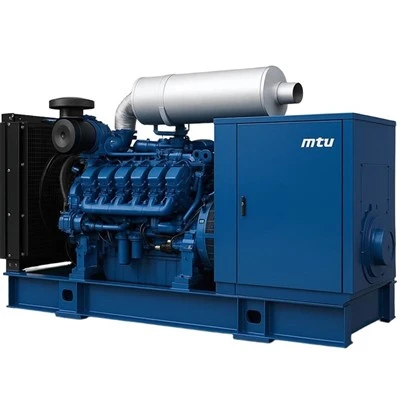
Don’t waste time dealing with unreliable, expensive diesel generators for long-term projects or remote locations. A gas mobile power plant gives you the power you need, when and where you need it, without the hassle of permanent installations or sky-high fuel costs. Connect with us today to talk through your requirements, and we’ll help you get set up with a solution that works for you.
Mobile Power Plant References
- International Energy Agency. (2022). The Role of Mobile Power Plants in Grid Flexibility.
- North American Natural Gas Association. (2023). Comparison of Natural Gas vs. Diesel for On-Site Power Generation.
- Global Event Power Association. (2021). Temporary Power Solutions for Large-Scale Outdoor Events.
- U.S. Environmental Protection Agency. (2022). Low-Emission Power Generation for Construction and Disaster Recovery Sites.
- Mobile Power Solutions Association. (2023). Maintenance and Operational Guidelines for Transportable Gas Power Plants.
Weifang Bofa Power Equipment Co., Ltd.
We’re well-known as one of the best mobile power plant suppliers in China. With a professional production team, we are able to meet the needs of the majority of our customers. Please feel free to buy cheap mobile power plant for sale here from our factory. For price consultation, contact us.
Address: Lianhuachi Village, Fangcheng Street Office, Fangzi District, Weifang City, Shandong Province.
E-mail: sales@wfbofapower.com
WebSite: https://www.wfbfgenset.com/
