Hey there, let’s cut to the chase: if your patio’s looking a little worse for wear—think caked-on moss, coffee stains from last summer’s barbecues, that weird green gunk growing in the grout lines, or even the faded, grimy build-up that makes your whole backyard feel uninviting—you’re probably thinking about pressure washing. And if you’re in the market for a high pressure nozzle to make that job way less of a chore, you’ve come to the right spot. I’m from a company that sells these exact nozzles, and I’ve helped hundreds of homeowners and small contractors stop wasting time and water (and money on wasted cleaning supplies) on bad patio cleans. No BS, just real, usable tips that actually work—no fancy jargon, no overcomplicating things. High Pressure Nozzle
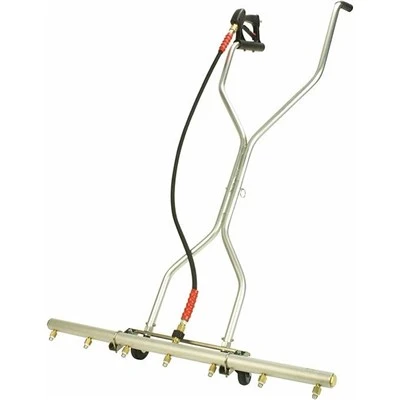
First off, let’s get one thing straight: not all high pressure nozzles are created equal. I see people grab whatever nozzle came with their pressure washer, only to end up streaking their patio, damaging the grout, or just blasting all the goop into their grass and making more work. That’s why I always start with matching your nozzle to your patio type. If your patio’s made of concrete? Cool, you can get away with a 0-degree or 15-degree nozzle for tough stains, but hold up—brick or pavers? Those way more porous, and a super narrow nozzle will etch the surface or blow out tiny bits of sand from the gaps. For wood patio decks? Skip the 0-degree entirely, that’ll splinter the wood, go for a 25-degree max, and even then, hold it way back.
Let’s break down the basics of how these nozzles work so you get why each tip matters. High pressure nozzles control two big things: spray angle and pressure distribution. The narrower the angle, the higher the pressure per square inch (PSI) hitting the surface. That’s why a 0-degree is for stripping paint or really deep set oil stains, but you never use that on patio unless you’re intentionally trying to etch. For most patio jobs, 15, 25, and 40-degree angles are your BFFs. I keep a set of these in my garage at all times, and I switch ‘em up based on what I’m cleaning that day.
Now, let’s get to the actual step-by-step, because that’s what you’re here for. First, prep your space. I know, prep feels like a hassle, but it saves you so much time in the long run. Grab a stiff broom and sweep all the loose dirt, leaves, and debris off the patio first. If you skip this, you’ll just be grinding that gunk into the surface with the pressure washer, and that’s how you get scratches. Next, cover anything you don’t want wet: potted plants (pressure washing gets water everywhere fast, and those leaves will get beat up if you don’t move ‘em), outdoor furniture, the edge of your house siding if it’s close, and even your dog’s water bowl (trust me, I learned that one the hard way—my pup spent the night drinking patio gunk water). Also, put on safety gear: gloves and safety glasses, please. Pressure washer spray is way powerful, even at low settings, and you don’t want it bouncing back into your face.
Next, mix your cleaning solution. A lot of people just use plain water, but that’s like trying to wash a dish with just water—you’ll never get it that clean. For patio, a mild, eco-friendly detergent works best (bleach is too harsh and bad for plants, so skip that unless you have super tough moss that won’t die). I always add a little to my pressure washer’s soap tank, and here’s where your nozzle choice matters: use a 40-degree nozzle for applying the soap. The wider spray covers more area, mixes with the water evenly, and doesn’t blast the soap off the surface before it has time to do its work. Let the soap sit for 5-10 minutes—don’t let it dry, though, that’ll leave weird streaks. If you have super deep stains, like motor oil that’s been there for months, you can pre-spray those with a little extra soap and give ‘em a light scrub with a bristle brush before moving on.
Now, the actual pressure washing part, and this is where most people mess up. First, set your pressure washer to a low PSI if you’re working on a delicate surface—wait, even if it’s concrete, don’t crank it all the way. I usually start at half pressure, then bump it up if the stains aren’t coming off. Here’s the biggest tip: hold your nozzle at a 45-degree angle to the surface, not straight up and down. If you hold it perpendicular, the pressure will ricochet back at you, and it’s way more likely to etch concrete or break brick. Keep the nozzle about 12-18 inches away from the patio—closer = more pressure, so if you’re too close, you’ll damage things.
Now, switch your nozzle to the right angle for your job. For general cleaning of concrete, pavers, or stone patios, a 25-degree nozzle is my go-to. It’s not too narrow that it messes up grout, not too wide that it’s wasting pressure on the area. For light dirt or everyday grime, a 40-degree nozzle works great—no need for heavy pressure there. If you have a super tough spot, like a patch of moss that’s resisting, you can hit it with a 15-degree nozzle, but only for 2-3 seconds, then switch back to 25—don’t blast the same spot for more than that, you’ll dig a little hole.
Work in sections, like 3×3 foot areas. That way you don’t miss spots, and you can go over a section twice if needed without over-cleaning. Move the nozzle in a sweeping motion, like you’re mowing the lawn—keep the speed consistent, don’t hover over one spot. If you see a streak starting, slow down a little over that spot, but don’t stay still. And here’s a pro trick: for paver patios, when you’re done pressure washing, you can run the nozzle along the grout lines at a very low angle to get out the dirt that’s stuck there without blowing out the sand. I used to ruin so much sand before I learned that, so save yourself the headache.
Wait, what about edges and corners? Those are the hardest parts. Don’t hold the nozzle straight into the corner—angle it so the spray hits the corner from the side, not straight on. That avoids blowing out the edges of concrete or scratching the trim. Also, if you’re near grass, make sure the spray doesn’t blast into the lawn—high pressure pressure washing will kill grass, so aim towards the patio surface, not over the edge.
Once you’re done pressure washing, give the patio 24 hours to dry completely before you put furniture back or walk on it. I know, it’s tempting, but standing on wet concrete can leave footprints, and pavers take a little time to settle if you moved sand. Also, if you have any lingering stains, you can scrub them with a brush after it’s dry, but most of the time the pressure washing takes care of it.
Now, let’s talk nozzle care, because these things are not cheap, and if you take care of ‘em, they’ll last you for years. First, after every use, flush the nozzle with clean water. If you leave soap or dirt in it, it’ll clog, and then your spray will be uneven, and you’ll have to replace it sooner. I just disconnect it from the pressure washer, hold it under a faucet, and run water through it back and forth. If it does get clogged, don’t stick a pin in it to clear the dirt—wait, actually, a tiny soft bristle brush works better, because a pin can scratch the nozzle’s tip and mess up the spray angle. Also, store the nozzle in a cool, dry place, not lying on the garage floor where it can get banged up or covered in dirt.
A quick heads up for common mistakes I see all the time: first, using the wrong nozzle angle for your surface. That’s the number one complaint I get from people who buy nozzles from random places—they use a 0-degree on pavers and now they have to re-lay half their patio. Second, holding the nozzle too close or too far. If it’s too close, you get damage; too far, the pressure is spread out and you’re wasting time and water. Third, skipping the prep step—loose dirt is your enemy, it scratches surfaces, plain and simple.
If you’re still not sure which nozzle is right for your patio, no worries. I’ve worked with everyone who has a small concrete patio to a full paver backyard, and I can help you pick out a set that fits your needs. We’ve got all the angles, plus rotating nozzles that make cleaning even faster (they spin, so you don’t have to do as much sweeping), and even nozzles that adjust the angle on the fly so you don’t have to swap them out a dozen times mid-job.

Whether you’re a homeowner doing a weekend project or a small landscaper who needs nozzles that hold up to daily use, we’ve got you covered. Pressure washing your patio doesn’t have to be a nightmare of damage, wasted water, and sore arms—using the right high pressure nozzle makes it so much easier, faster, and way better looking.
High Pressure Washer If you’re ready to grab some nozzles, or you just have questions about what works for your specific patio, hit us up to connect and chat through your needs. No pushy sales stuff, no hidden fees—just real advice from someone who’s actually used these nozzles in the field, not just read about ‘em online.
References
- Pressure Washing Institute. (2022). Selecting the Correct Nozzle for Pressure Washing Applications. Retrieved from industry safety and maintenance guidelines.
- Outdoor Power Equipment Institute. (2021). Best Practices for Pressure Washing Residential Surfaces. Retrieved from operational safety and surface protection standards.
- Moss and Algae Control Association. (2023). Safe Methods for Removing Biological Growth from Patios and Walkways. Retrieved from eco-friendly cleaning best practices.
Zhejiang GTM Hi-Tech Intelligent Equipment Co., Ltd.
We are one of the most experienced high pressure nozzle manufacturers and suppliers in China, also support customized service. Please feel free to buy discount high pressure nozzle for sale here from our factory. Quality products and reasonable price are available.
Address: No.5 of Changjiang Road, 2nd Economic Development Zone of Wenling, Zhejiang, China
E-mail: yehuanting1@hongyemfg.com
WebSite: https://www.gtmplungerpump.com/
