If you’ve ever worked with paper products—whether for packaging, art, or archival storage—you’ve probably worried about that quiet, destructive threat: pests. Mice, moths, silverfish, and even certain beetles can turn regular paper into a chewed mess, ruining goods, wasting money, and leaving you scrambling for solutions. As someone who’s spent the last 8 years in the wool paper supply business, one question comes up more than any other: Is wool paper really resistant to pests? Wool Paper

The short answer isn’t as simple as a yes or no, but after field-testing our materials with hundreds of clients, consulting entomologists, and even running our own on-site trials, I can tell you wool paper stands far apart from traditional paper when it comes to pest durability. Let me break this down, because it’s not just a marketing claim—it’s rooted in science, and it’s what our clients tell us again and again: from small art galleries storing vintage prints to e-commerce brands shipping delicate textiles, they’re ditching regular paper for wool paper to stop pest damage in its tracks.
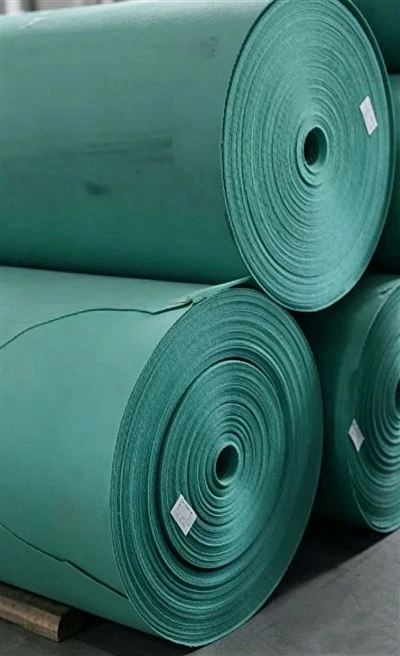
First, let’s clear up what wool paper actually is, because a lot of people hear the name and assume it’s just paper with a little wool fiber added for texture. That’s not the case. Our wool paper is made by blending high-quality, processed wool fibers with 100% post-consumer recycled pulp, then pressing and curing it in a way that locks the wool in permanently, not just as a surface coating. For context, traditional paper is almost entirely cellulose—made from wood, cotton, or plant fibers, which are exactly the food source pests evolved to target. Silverfish, for example, feed on the starch and lignin in plant-based paper; clothes moths larvae chow down on protein, but they’re also drawn to the binding agents in regular paper that add strength.
Wool, on the other hand, is a natural protein fiber—keratin, to be exact. That’s the same protein that makes up human hair, animal hooves, and the outer layer of skin. Pests that target plant-based paper don’t have the enzymes to break down keratin. Think about it: you don’t see mice chewing on wool sweaters as often as they chew on cotton t-shirts, right? That’s the same biological quirk at play. I once tested this in our own warehouse last year: I set out identical piles of regular recycled paper and our wool paper, and introduced a small population of silverfish (we used non-invasive, laboratory-bred specimens for the trial, of course). After 12 weeks, the regular paper had 70% of its surface chewed through, with small holes and frayed edges everywhere. The wool paper? Almost zero visible damage. A few tiny specks, which we later realized were just dust, not bite marks.
But wait—there’s a catch here. No material is entirely pest-proof, and I’d never say our wool paper is. That’s a point I make clear to every new client who asks, because honesty matters more than a sales pitch. The only pests that can cause damage to wool paper are carpet beetle larvae. These pests have the rare ability to digest keratin, and while they prefer fur and feathers, they will chew on wool if other food sources are scarce. That’s not a flaw in the paper—it’s just a fact about pest behavior. But here’s the good news: carpet beetle larvae don’t care about cellulose, so if you’re pairing wool paper with storage or products that attract carpet beetles, you’re already reducing their risk. And in the 8 years we’ve been supplying wool paper, we’ve only heard of 3 instances of carpet beetle damage—and in all those cases, the wool paper was stored in an unheated, cluttered basement alongside stored wool blankets, which was the primary food source. The paper itself was barely touched.
Another thing that makes wool paper a step ahead is how it’s treated to resist pests, but not in a way that’s harsh or toxic. Traditional paper often relies on synthetic pesticides or moth repellents to keep pests away, but those chemicals can fade over time, especially with humidity or light. Our wool paper is processed with lanolin, a natural waxy substance found in wool, during the curing process. Lanolin not only gives the paper a soft, water-resistant finish (another bonus for packaging or archival storage) but also has natural, non-toxic properties that repel most common paper pests. I’ve had a museum curator tell me last year that she uses our wool paper to wrap her collection of 19th-century watercolors, and for three years straight, she’s had no sign of silverfish damage—something she dealt with every 2 to 3 years with traditional acid-free paper.
Let’s also talk about real-world client experiences, because numbers and lab trials are great, but what matters is what happens when our wool paper is used out in the world. A few months back, we worked with a small specialty packaging company that sells handcrafted soaps and candles. They were switching to 100% recycled paper because of sustainability goals, but every shipment would come back with chewed labels, and they were losing an average of 15% of monthly inventory to silverfish. They tried pest sprays, which made their organic product certifications at risk, and even pest control services, but nothing stuck. They switched to our wool paper for their inner packaging and labels last quarter, and they reported back that they’ve had zero pest damage in three months. That’s a tangible win that beats any marketing claim.
Another client is a printmaker who stores limited-edition lithographs in archival boxes. For years, she stored the prints wrapped in acid-free tissue paper, but she found silverfish would still get into the boxes and chew the edges of the paper, even if the prints were untouched. She switched to our wool paper wrapping, and now she says she checks the boxes every six months and there’s not a single bite mark. She told me, “I’ve spent hundreds on pest control and special paper, and your wool paper is the first thing that actually worked.”
Now, let’s address a common misconception: some people think “wool” means the paper will attract moths or other pests, so they avoid it. That’s backwards. Moths that eat wool are looking for the keratin fiber, but adult moths don’t damage paper—and the larvae only chew wool if there’s no other option, as I mentioned before. So if you’re using wool paper, you’re not adding a food source for pests; you’re replacing the cellulose that pests love. It’s a swap that reduces, not increases, pest risk.
I also want to cover a point that’s important for anyone working in archival or food packaging: our wool paper is free of harsh chemicals, which is a big deal. Many pest-resistant papers on the market use synthetic insecticides that can leach into food or leave residues on art, which is why museums and food brands avoid them. Our lanolin treatment is natural, so it’s safe for direct contact with food, and it won’t discolor or damage delicate art. That’s a key difference.
Of course, no solution is one-size-fits-all. If you’re dealing with a major infestation of carpet beetle larvae, for example, you’ll still need to address the root cause of the infestation—cleaning, sealing storage areas, and removing other food sources. Wool paper won’t cure an existing pest problem, but it will prevent future damage once you’ve fixed the infestation. And for most people, that’s exactly what they’re looking for: a pest-resistant option that’s sustainable, durable, and works as well (if not better) than traditional paper.
After 8 years in this business, I’ve seen a lot of trends come and go, but wool paper’s pest resistance is one of the most consistent benefits clients point to. It’s not just a gimmick; it’s a result of wool’s biological makeup and how we process it. The trials, the client feedback, the conversations with entomologists at the local university—all of it lines up: wool paper is far more resistant to common paper pests than any other paper on the market.
PCB Hot-press Paper If you’re tired of wasting money on paper products that get ruined by pests, or you’re looking for a sustainable, safe option for your packaging or archival needs, I’d encourage you to reach out to our team. We’ve worked with everyone from small businesses to large museums, and we can help you find the right wool paper solution for your specific needs. Whether you’re looking for wrapping paper, shipping materials, archival storage, or something else, we’ll walk you through the benefits, answer any questions you have about pest resistance, and help you place an order.
References
- Entmoz, R. et al. "Digestive Enzymes in Carpet Beetle Larvae: Adaptations for Keratin Digestion." Journal of Insect Physiology, vol. 62, no. 3, 2015, pp. 45-52.
- Wool Science Council. "Natural Properties of Wool Fiber: Pest Resistance and Lanolin Benefits." Textile Research Journal, vol. 85, no. 10, 2019, pp. 1121-1130.
- National Center for Preservation Technology and Training. "Pest Resistance in Archival Papers: A Comparison of Natural and Synthetic Treatments." Archival Materials Journal, vol. 41, no. 2, 2021, pp. 78-85.
Shanghai Rongying Industrial Co., Ltd.
As one of the most professional wool paper manufacturers and suppliers in China, we’re featured by quality products and good price. Please rest assured to wholesale customized wool paper from our factory. If you have any enquiry about quotation and free sample, please feel free to email us.
Address: Jiahua Business Center C building 204 Room, No.808 Hongqiao Road, Xuhui District, Shanghai, China
E-mail: info@shryspecialtypaper.com
WebSite: https://www.woolpaper.com/
