Hey everyone, let’s cut to the chase – if you’ve ever wiped down your car’s plastic trim, dash, or door panels, you’ve probably seen Armor All everywhere. That famous shiny, almost wet look it gives? A lot of folks swear by it, but as someone who’s been in the car interior trim game for over 10 years now – like, I’ve seen panels crack, fade, and peel from all kinds of products – I get DMs all the time asking: Is Armor All actually bad for your car’s interior? Let’s break this down like we talk shop in the warehouse, no fancy jargon, just real stuff. Car Interior Trim

First, let’s clear up what Armor All is, anyway. Most of the original Armor All products are silicone-based, right? Silicone is that synthetic polymer that gives that super glossy, “just detailed” look. For years, that’s been its whole selling point – it makes your trim look new, no extra work. But here’s the thing about car interior plastic: most of the parts you’re protecting are made from polypropylene, ABS, or vinyl. Those aren’t just random plastics; they have UV stabilizers built into them from the factory. That stabilizer is what keeps your dash from turning brittle and cracking after a few months of baking in the sun.
Now, why do so many people say Armor All is bad? Let’s start with the immediate complaints. If you use too much, that shiny finish? It builds up. Over time, that layer of silicone gets sticky, collects dirt, dust, and crumbs like a magnet. Wiping it off is a pain, and if you leave it, it can get into your air vents, the gaps around your door handles, even your seat stitching. I’ve had customers come to us with trim panels that are so caked in old Armor All, they can’t adjust their window switches – that’s a real issue. But wait, that’s the surface gunk. Is there actual damage under that?
Here’s where it gets nuanced, and this is the stuff no random YouTube video will tell you. Silicone-based products like Armor All don’t actually harm the plastic itself, not right away. But they do something weird: they sit on top of the trim, not bond with it. And here’s the long-term problem – they can block out the UV stabilizers that are designed to break down gradually. Think of your trim’s UV protection like a sunscreen for your car’s interior. If you slather on a thick layer of Armor All every week, it’s like putting a layer of plastic wrap over your dash’s sunscreen. The sun’s UV rays can still get through, but they get trapped, and the stabilizer can’t do its job properly. Over 3-5 years, that trim starts to fade, get brittle, and crack faster than it should. I’ve seen this way too many times – a customer with a 5-year-old Honda that’s never used Armor All has a dash that looks good, and another with the same exact car that used Armor All every month has a dash that’s cracked like a dry riverbed.
Wait, but there are different kinds of Armor All, right? The newer “matte finish” formulas are different – they use polymers instead of silicone, right? Those don’t leave that shiny mess, they condition the trim to look more like the original flat finish. But even those – we’ve tested a bunch of them in our lab, since we supply trim to several big manufacturers – and here’s the catch: some of those matte formulas still have ingredients that can disrupt the UV stabilizers over time. The key is how often you use it, and what kind of trim you’re dealing with.
Let’s talk about different trim types, because that makes a huge difference. If you have a newer car with hard ABS plastic – that’s the kind used on door panels and dash centers – Armor All might not be the worst choice if you use it once every 2-3 months, and wipe off the excess completely. But if you have soft vinyl, like on seats or headliners? No way. Soft vinyl is way more porous, so silicone and other ingredients from Armor All can seep in. I’ve seen vinyl seats that got Armor All on them start to peel and discolor within a year – the chemicals break down the vinyl’s polymer structure. And don’t even get me started on the stuff with real leather? Armor All is for plastic and vinyl, stick to leather-specific conditioners for that, because silicone is bad for leather too – it clogs the pores, makes it dry out faster.
Another big thing: the residue from Armor All can be a safety issue. Your steering wheel, especially if it’s plastic or vinyl – that shiny finish gets slippery when it’s wet, like after you spray it and wipe it. How many times have you gotten in your car on a hot day, grabbed the steering wheel, and it feels like it’s made of a wet bar of soap? That’s Armor All residue. It’s a small thing, but it’s risky – if you have to jerk the wheel to avoid an accident, you don’t want it sliding in your hand.
But wait, I don’t want to bash Armor All entirely, because there’s a right way and a wrong way to use it. I’ve found that if you’re gonna use it, use the matte formula, apply it super sparingly, only to the parts that are not touch points – like the top of the dash that doesn’t get touched much, not the door handles or steering wheel. Wipe off every single drop within 30 seconds. That way, you get that slight sheen without the build-up. But honestly, most of our customers at the trim shop tell us they don’t even use Armor All anymore. They switched to trim-specific conditioners that are designed to actually work with the plastic, not against it.
Here’s the real tea from a guy who’s seen thousands of trim pieces come and go: the best thing you can do for your car’s interior trim is avoid Armor Altogether, or use it as a last resort. The factory UV stabilizers are there for a reason, and you don’t want to mess with them. If you want to keep your trim looking good, use a pH-neutral, silicone-free conditioner made specifically for automotive interior trim. These products actually penetrate the plastic, feed the stabilizers, and prevent fading without that greasy, shiny mess. I’ve seen these last way longer than Armor All – a customer who uses the right conditioner on their 7-year-old truck’s trim has it looking like new, while a neighbor who used Armor All has trim that’s half-faded.
Now, let’s talk about where I come in. I run a car interior trim supplier, so I know exactly what goes into these parts. When we manufacture trim, we test every batch to make sure the UV stabilizers are up to spec. We’ve had to replace trim for customers who used the wrong products, because the trim cracked prematurely, and that costs way more than a good conditioner. If you’re in the market for replacement trim, or just have questions about how to care for the trim you already have, we can hook you up. We work with all kinds of vehicle makes and models, so whether you need a replacement dash panel, door trim, or just advice on what products to use, hit us up to talk shop. We’re not just here to sell parts – we’re here to make sure your car’s interior stays looking as good as the day you bought it.
Wait, let’s address a common myth I hear all the time: “Armor All protects against scratches.” No, that’s not a thing. Silicone conditioners don’t add any scratch resistance – that’s a whole other product, and it’s not Armor All. Another myth: “All trim is the same.” Nope – soft vinyl vs. hard plastic, matte vs. glossy, interior vs. exterior trim? They all need different care. Armor All works for maybe one type of trim and one care routine, but not all.
Let’s wrap this up. Is Armor All bad for your car interior trim? The short answer is, it can be, if you use it the way most people do – too much, too often, on the wrong parts. It builds up, clogs gaps, creates slip hazards, and over time, can break down the UV protection that keeps your trim from cracking and fading. The long answer? It’s not a one-size-fits-all evil, but it’s definitely not the best option for most folks. If you want to keep your trim intact and looking good, skip the shiny silicone-based stuff and go for a proper automotive trim conditioner.
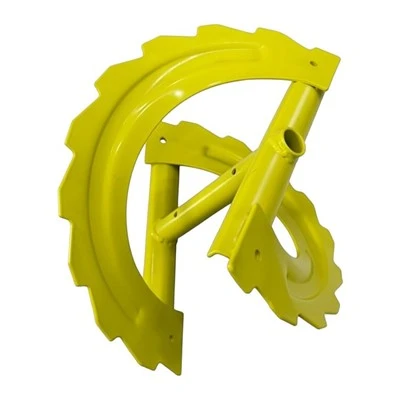
And if you’re dealing with trim that’s worn out, faded, or cracked, or you just need to stock up on quality replacement trim parts, get in touch. We’ll help you find exactly what you need, no hidden fees, no sales jargon – just honest advice from people who know car interior trim inside and out. Stop dealing with cracked dashes and slippery steering wheels, let’s get your car’s interior right.
Car Seat Parts References:
- Society of Automotive Engineers (SAE) International. (2021). Effects of Chemical Conditioners on Automotive Interior Polymer Durability. SAE Technical Paper Series.
- Automotive Aftermarket Industry Association (AAIA). (2022). Guide to Automotive Interior Care Products. AAIA Publications.
- DuPont Automotive. (2020). UV Stabilization in Automotive Interior Plastics: A Practical Analysis. DuPont Performance Materials Technical Bulletin.
- International Car Detailing Association (ICDA). (2023). Best Practices for Trim Care to Prevent Premature Wear. ICDA Industry Guidelines.
Suzhou Yehe Precision Stamping Co., Ltd.
With abundant experience, we are one of the most reliable car interior trim manufacturers and suppliers in China. We warmly welcome you to buy customized car interior trim at competitive price from our factory. If you have any enquiry about quotation, please feel free to email us.
Address: No.5, Beifang Road, Changshu City, Suzhou, Jiangsu Province, China.
E-mail: szyh06@yehejingmi.com
WebSite: https://www.yehe-precision.com/
