If you’ve ever found yourself staring at a cluttered desk, weighing the pros of a desktop-sized screen against the convenience of slipping a computer into a backpack, you’ve probably asked yourself: All-in-One (AIO) PC or laptop? I’ve spent the last decade working with AIO PCs as a supplier, and I’ve fielded this question hundreds of times from small business owners, remote workers, and even casual home users. It’s not a matter of one being “better” than the other—each fits a specific need, but understanding the core differences saves you from wasting money on a setup that doesn’t match your routine. Let’s break this down. All in One PC
First, the most obvious distinction: form factor and space. A laptop is built to be mobile—its screen, keyboard, and processor all fold into a single, compact unit that you can toss into a laptop bag, carry up a flight of stairs, or set up in a coffee shop in 10 seconds. That portability comes at a cost, though. Every component in a laptop is squeezed into a thin chassis, so parts are smaller, and heat management is limited. Most laptops can’t accommodate a full-size, high-powered graphics card or a large, fast hard drive without overheating, which is why even premium models often lack the raw processing power of desktop hardware.
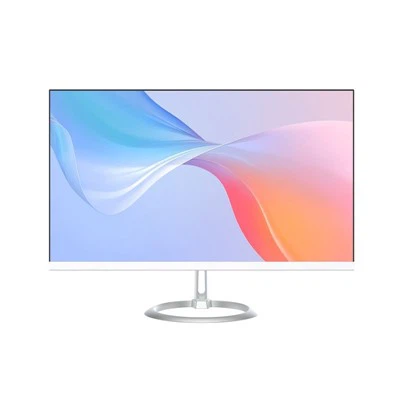
An AIO PC? It’s the opposite. Instead of spreading components across a separate tower and monitor, everything lives inside the back of the screen—processor, RAM, storage, speakers, and even the Wi-Fi card. That means you get a larger, 21.5-inch or 27-inch full-HD or 4K screen that doesn’t require a separate monitor stand (most AIOs mount directly to a wall or a slim desk stand). For people working from home who don’t need to take their computer on the road, that integrated design frees up desk space—no bulky tower under the desk to trip over or hide files behind. I’ve seen home offices shrink from 6 feet of desk space to 3 feet just by swapping a tower and 24-inch monitor for a sleek AIO, and that’s a huge win for anyone working in a small apartment or a shared workspace.
Next, performance. This is where the gap between AIOs and laptops gets most noticeable, especially for power users. Laptops are constrained by their slim build, so even gaming or creative laptops that advertise “high performance” often throttle their processor speed after 30 minutes of heavy use—think editing a 4K video or rendering a 3D design—because their tiny fans can’t pull enough heat away. Most consumer laptops use mobile processors, which are designed to save battery, not run at full power for hours. Even the best gaming laptops can’t match the processing power of a mid-range desktop, let alone an AIO.
AIOs, on the other hand, use desktop-grade processors and larger heat sinks. That extra space lets fans run slower, quieter, and more efficiently, so the processor can stay at peak performance for as long as you need it. For a graphic designer editing large Photoshop files, a small business owner running multiple spreadsheets and video calls at once, or a casual gamer playing modern titles, that consistent power makes a big difference. I’ve had customers switch from a high-end gaming laptop to a 27-inch AIO and tell me their render time for a promotional video dropped from 45 minutes to 18—no extra effort, just better hardware that doesn’t cut corners. There are exceptions, of course: a high-end gaming laptop with a dedicated graphics card might outperform an entry-level AIO, but for most people, the AIO’s performance is more than enough, and it doesn’t force you to choose between power and screen size.
Battery life is another key difference, and it comes down to purpose. Laptops run on a built-in battery, so their battery life is the centerpiece of their marketing—some models can last 12 hours on a single charge, perfect for a day of commuting or working from a café without an outlet. But that battery adds weight: a 15-inch laptop with a 10-hour battery can weigh 4 pounds or more, and the battery itself is a replaceable (and eventually outdated) part. Once it degrades after 3-5 years, you either have to pay to replace it or buy a new laptop.
AIOs don’t have a built-in battery at all. They plug into a wall outlet, so you never have to worry about charging mid-work or replacing a battery. That might sound like a downside if you need mobility, but for most users, it’s a non-issue. If you work from home or a fixed desk, you’re always near an outlet anyway. The tradeoff is that you give up portability, but you gain a more stable power source for continuous use—no sudden shutdowns because the battery died while you were in the middle of a presentation.
Customization and upgradeability are also where these two devices diverge sharply. Laptops are almost impossible to upgrade. Most models have the RAM and storage soldered directly to the motherboard, so you can’t add more memory or a larger hard drive after purchase. Even higher-end gaming laptops often have limited upgrade options—you might be able to swap the hard drive, but you can’t replace the processor or graphics card. That means when your laptop is 5 years old, it’s essentially obsolete; trying to upgrade it costs almost as much as buying a new one.
AIOs, while less customizable than traditional desktops, still offer more flexibility than laptops. Most entry to mid-range AIOs have accessible RAM and hard drive slots on the back or side, so you can add more RAM or switch from a slow hard drive to a fast SSD for a fraction of the cost of a new computer. Some higher-end AIOs even let you swap the processor or graphics card, though that’s less common. For a small business owner who needs to keep their computer running for 6-7 years, that upgradeability means you don’t have to replace your entire setup every 3 years—you just tweak parts as needed. I’ve had a local café upgrade their AIO from 8GB to 16GB of RAM for $50, instead of buying a new laptop that would have cost $800. That kind of cost savings adds up fast.
Ergonomics are a final, often overlooked, difference. For anyone spending 6+ hours a day at their computer, this matters. Laptops force you into a awkward posture: the screen is too low, so you hunch over, and the keyboard is positioned too far forward, straining your wrists. Even if you buy an external keyboard and mouse, you’re still dealing with the built-in screen’s height. AIOs, though, let you adjust the screen to the perfect ergonomic position—most models have tilt, swivel, and even height adjustment, so you can set the screen to eye level, eliminate hunching, and reduce neck and back pain. They also have full-size, low-profile keyboards that are easier on your wrists than the small, cramped keyboards built into most thin laptops.
Now, let’s talk about who each is for. If you’re a student or remote worker who needs to take your computer to class, co-working spaces, or travel often, a laptop is the clear choice. Its portability and battery life solve a real problem. But if you work from a fixed desk, prioritize screen size and performance, or want to save money long-term with upgradeability, an AIO PC is the better fit. It’s not just a “desktop with a screen attached”—it’s a space-saving, power-dense setup tailored for users who don’t need to move their computer every day.
As an AIO PC supplier, I’ve seen too many customers choose a laptop because they think it’s more “modern” or “convenient,” only to regret it a year later when their laptop can’t handle their workload or takes up too much space at home. The best setup is the one that matches your daily routine. If that routine centers on a fixed desk, an AIO will give you a bigger screen, better performance, and more value than a similarly priced laptop. If mobility is non-negotiable, a laptop is the way to go—just don’t expect it to match the power of a desktop or AIO.

If you’re ready to explore the right fit for your space and needs, reach out to our team to discuss your setup requirements. We’ll walk through options for every use case, from entry-level home offices to small business workstations.
All in One PC 23.8 Inch References
- International Data Corporation (IDC). “Worldwide Quarterly PC Tracker.” 2023.
- Consumer Technology Association (CTA). “Desktop vs. Laptop: Workspace and Performance Trends.” 2022.
- PC Magazine. “All-in-One PCs vs. Laptops: Which Is Right for You?” 2023.
- Journal of Ergonomics. “Postural Impacts of Laptop and All-in-One Computer Design.” 2021.
- TechInsights. “Component Upgrade Lifecycle for Consumer PCs.” 2022.
Shenzhen HJS Technology Group
Shenzhen HJS Technology Group is one of the most experienced all in one pc manufacturers and suppliers in China, featured by quality products and good service. Please rest assured to buy CE approved all in one pc made in China here from our factory. For price consultation, contact us.
Address: F10, Wanhe Technology Building C, No. 7 HuiTong Road, Fenghuang Street, Guangming New District, Shenzhen. China.
E-mail: info@hjs-pc.com
WebSite: https://www.hjs-pc.com/
