If you’ve ever worked on a home plumbing fix, built a small backyard shed with PVC piping, or even messed around with a DIY sprinkler system, you’ve probably heard two terms thrown around: hot melt pipe fittings and solvent-welded pipe fittings. As someone who’s been supplying hot melt pipe fittings for over 8 years, I get asked this question all the time—usually from plumbers new to residential work, DIYers who’ve picked up a bad tip from a YouTube video, or even contractors trying to pick the right material for a job. At first glance, both methods look like they just “stick pipes together,” but the differences are huge—for durability, ease of use, and what you can actually use them for. Let’s break this down like I’d break it down for a buddy over a coffee. Hot Melt Pipe Fittings
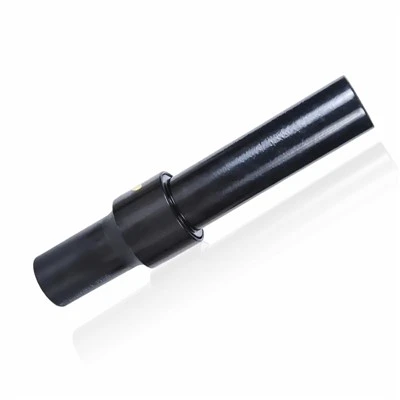
First, let’s start with the basics so we’re all on the same page. Hot melt pipe fittings (sometimes called fusion fittings, but we’ll stick to hot melt since that’s the common term for our products) work by heating the ends of the pipe and the fitting until the plastic melts, then pushing them together and holding them until they cool. It’s like melting a popsicle stick and pressing it to another—they fuse into one solid piece, not just glue. Solvent-welded fittings, on the other hand, use a special liquid glue (solvent cement) that dissolves the outer layer of the pipe and fitting, so when you press them together, the dissolved plastic mixes and hardens into a bond. Think of it like using nail polish remover to soften plastic, then pressing two softened pieces together to make a seam.
Now, let’s get into the stuff that matters—how they work in real life. Let’s start with the tools, because that’s the first thing anyone notices. For hot melt fittings, you don’t just need the fitting itself; you need a hot melt tool, like a socket fusion machine for small residential jobs or an electrofusion machine for larger commercial projects. These tools plug in, heat up a metal or plastic plate, you slide the pipe and fitting onto the heated ends, wait for the right amount of time (usually 10 to 30 seconds depending on pipe size), take them off, press them together firmly, and let them cool. It’s a bit more involved than solvent welding, right? For solvent welding, all you need is a tube of solvent cement, a pipe cleaner, and a rag. You clean the ends of the pipe and fitting, brush on the cement, twist the pipe a quarter turn to spread it, push it into the fitting, and hold it for 10 seconds. Way faster, no waiting for tools to heat up.
But here’s where it stops being about convenience and starts being about performance. Hot melt bonds are way stronger than solvent-welded ones. Like, I’ve had a hot melt connection hold up in a 2-inch water line that got frozen solid overnight—no leaks, no cracks. A solvent-welded connection would’ve split under that kind of pressure. Why? Because hot melt actually fuses the two pieces into one continuous piece of plastic; the seam isn’t a separate layer of glue. Solvent welding relies on the cement’s ability to melt and re-solidify the plastic, but it never becomes as strong as the original pipe material. That makes a huge difference for jobs that see constant pressure, temperature swings, or heavy use—like main water lines, underground irrigation systems, or commercial plumbing that gets used every day.
Speaking of temperature, hot melt fittings can handle way hotter and colder temps than solvent-welded ones. Solvent cement tends to break down in extreme heat—leave a solvent-welded pipe in direct sun for a summer, and the seam might get brittle and crack. Hot melt fittings are designed to withstand temps from, like, -40°F up to 180°F, which is perfect for outdoor use, hot water lines, or even cold storage piping. Solvent-welded stuff is usually only rated for up to 140°F, which is fine for cold water lines or indoor sprinklers, but not for a water heater’s output.
Now, what about mistakes? We all make ’em, right? If you mess up a solvent weld connection, you can usually cut the pipe off, ream the end, and try again—no big deal, as long as you catch it before the cement dries. But hot melt? If you push the pipe on too hard, or wait too long before pressing them together, you might end up with too much melted plastic inside the fitting, which clogs the line. Or if you pull them apart before they cool, the bond breaks entirely, and you have to cut the whole section out. It’s less forgiving, but that forgiving-ness with solvent weld comes with a tradeoff: if you twist the pipe wrong when you put it in, the seam’s uneven, and it might leak a few months down the line, when you’re not there to fix it.
Another big one: what pipes they work with. Hot melt fittings are almost always used with polyethylene (PE) pipes, PEX, or sometimes polypropylene (PP) pipes. Those are the flexible, durable pipes you see used for underground lines or radiant heating. Solvent weld works best with PVC (polyvinyl chloride) and CPVC pipes. That’s why you never see a plumber using solvent weld on a main water line—they’d use PE with hot melt fittings instead. I’ve had customers come to me asking for hot melt fittings to replace a leaking PVC line they tried to solvent weld; the solvent weld just couldn’t handle the pressure their house’s water pump was pushing.
Wait, let’s talk about long-term durability, because that’s what makes customers come back to us. Hot melt connections don’t degrade from UV exposure as bad as solvent weld. If you have to run a line above ground, hot melt can handle being in the sun for years without the seam weakening, but solvent weld will get brittle and crack in a couple of years. Also, hot melt is resistant to more chemicals—if you’re running lines for chemicals, fertilizers, or wastewater, hot melt fittings hold up way better than solvent welded ones. That’s why most commercial agricultural irrigation systems use our hot melt fittings instead of solvent weld; they’re out in the sun, running all season, and need to last 10+ years without leaks.
But let’s not act like solvent weld is useless. It’s great for small, low-pressure jobs where speed matters. If you’re fixing a small section of PVC under a sink, solvent weld is way faster than pulling out a fusion machine and waiting for it to heat up. It’s cheaper too—solvent cement is like $5 a tube, while hot melt tools can be a few hundred bucks. For DIYers who only do one small job a year, solvent weld is the way to go; you don’t want to drop money on a machine you’ll use once. But if you’re a plumber doing 10 jobs a month, the strength of hot melt fittings saves you time on callbacks, which is way more valuable than the cost of a tool.
I’ve seen a lot of people make the mistake of picking one method over the other just because it’s what they know. A buddy of mine tried to use solvent weld on a commercial sprinkler line for a local park, and six months later, half the lines were leaking. He had to tear it all out and redo it with our hot melt fittings, and he’s been referring all his park and commercial jobs to me ever since. That’s the thing with hot melt: it’s not always the cheapest upfront, but it’s cheaper in the long run because you don’t have to fix leaks later.
Another point: pressure ratings. Hot melt connections typically have a pressure rating of around 160 PSI for standard fittings, some even go higher for commercial use. Solvent-welded PVC is usually rated for 100 to 150 PSI, but that’s for straight runs, not fittings. Fittings are the weak point in any pipe system, so if you need strong fittings, hot melt is the clear winner. I’ve had customers tell me they chose solvent weld because it was cheaper, but within a year, their water line was bursting at the fitting—turns out the pressure in their well was higher than what solvent weld could handle.
Let’s get into a common misconception: some people think hot melt is just for big pipes, but no, we have hot melt fittings as small as ½ inch for residential lines, and as big as 24 inches for commercial or industrial use. Solvent weld only goes up to like 12 inches, and even then, it’s not as reliable. For small residential jobs, if you’re a DIYer, solvent weld is fine, but if you’re a plumber doing multiple homes, hot melt is worth the investment.
Now, let’s talk about installation time, because that’s a big deal for contractors. A 2-inch pipe run with solvent weld might take 10 minutes total, from cutting to final connection. The same run with hot melt would take 20 minutes, because you have to wait for the tool to heat up, wait for the pipe to melt, wait for it to cool. But here’s the catch: the solvent weld run might leak a month later, so you’re back for a callback. The hot melt run is good to go, no callbacks, so you’re done faster in the long run. I’ve had plumbers tell me that callbacks cost them more per job than the difference between hot melt and solvent weld materials.
What about maintenance? If you need to repair a hot melt line, you can’t just glue a new pipe on—you need a hot melt tool to fuse it, same as the original. Solvent weld repairs are easier, just clean the end, brush on cement, push on the new pipe. But again, if you’re dealing with a line that’s under high pressure, a repair with solvent weld is temporary at best. I always advise my customers to use hot melt for lines that are hard to access—like underground lines or lines behind walls—because you don’t want to have to repair them often.
Let’s wrap this up with a quick cheat sheet, so you can remember when to use which: use hot melt pipe fittings if you need strong, long-lasting connections, for high pressure lines, outdoor use, commercial jobs, or areas where leaks are a big hassle. Use solvent weld for small, low-pressure indoor jobs, DIY projects where you don’t want to buy tools, or jobs where speed is the only priority.
At the end of the day, the difference comes down to one thing: what you need the connection to do. If you want something that’s going to hold up for years, handle whatever pressure or weather you throw at it, and not give you headaches later, hot melt pipe fittings are the way to go. I’ve been supplying these for years, and I’ve seen firsthand how they outlast solvent weld in almost every real-world scenario.
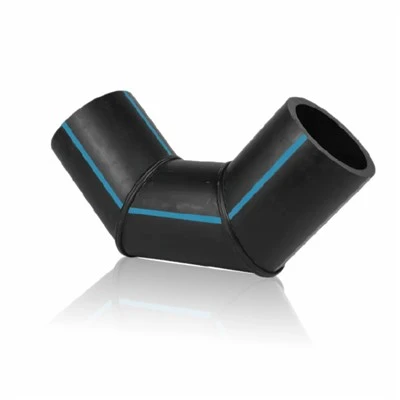
If you’re not sure which fittings you need, or you’re looking to stock up for your next job, don’t hesitate to reach out and get in touch to talk through your requirements. We can help you pick the right fittings for your project, no matter how big or small.
Electrofusion Fittings References
- Plastic Pipe and Fittings Association. (2022). Fusion vs. Solvent Weld Connections: Performance and Application Guidelines.
- National Association of Plumbing-Heating-Cooling Contractors. (2021). Residential Plumbing Material Selection Handbook.
- American Water Works Association. (2020). Polyethylene Pipe and Fittings Installation Standards.
- PVC Pipe Association. (2023). Solvent Weld Joint Durability in Outdoor Applications.
Yuyao Aoshi Hydraulic Components Manufacturing Co., Ltd.
As one of the most professional hot melt pipe fittings manufacturers and suppliers in China, we’re featured by quality products and good service. Please rest assured to wholesale hot melt pipe fittings in stock here and get quotation from our factory. Customized orders are welcome.
Address: Huilong village, Zhangting town, Yuyao city, Zhejiang province, China.
E-mail: renxuwei@vip.163.com
WebSite: https://www.jintongtrading.com/
