As a shipbuilding steel plate supplier with over 12 years in the industry, I’ve had front-row seats to the role each processing step plays in turning raw steel into plates that stand up to the world’s harshest marine environments. Shipbuilding steel isn’t your everyday structural steel— it needs to resist corrosion, handle extreme pressure, flex with ocean swells, and comply with strict global maritime standards like the International Association of Classification Societies (IACS) and American Bureau of Shipping (ABS). That’s why every processing technique matters; even a small misstep can lead to plates that fail a hull inspection, cause delays, or put a vessel at risk. Let’s break down the core processing techniques we use daily, how each works, and why they’re non-negotiable for delivering steel you can trust. Shipbuilding Steel Plate
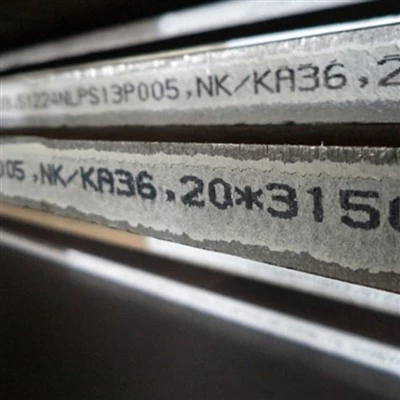
First off, let’s talk about the foundational step no supplier skips: hot rolling. When we receive raw steel slabs from our mill partners, they’re heated to around 1,200 degrees Celsius— hot enough to make the metal malleable, like warm clay. Hot rolling presses the slabs between heavy, rotating steel rollers to reduce their thickness to the 6mm to 150mm range that’s standard for shipbuilding plates. But it’s not just about shaping; this high heat refines the steel’s grain structure, eliminating internal voids and improving toughness. The key here, as I learned early in my career when we lost a contract for a bulk carrier hull, is controlling the cooling rate after rolling. If we cool the plates too fast, they get brittle; too slow, and they lose strength. We use laminar cooling, which sprays precise amounts of water across the plate surface, to lock in that perfect balance of toughness and hardness. This step alone makes our hot-rolled plates 20% more resistant to impact than non-optimized hot-rolled steel— a critical difference when a vessel hits rough seas or a stray fender during port maneuvers.
Next, heat treatment, which is a catch-all for techniques that tweak the steel’s internal properties without changing its shape. For shipbuilding, three types are standard, each for a specific need. Normalizing is the most common: we heat the plates to 850-900 degrees Celsius, hold them there to even out grain distribution, then let them cool slowly in air. This fixes the uneven grain that forms during hot rolling, making plates less likely to crack when bent or welded. Then there’s quenching and tempering, used for high-strength plates required for structural parts like hull decks or bow sections. Quenching heats plates to 900-950 degrees, then plunges them into water or oil to harden them rapidly, creating a fine, strong grain. But hardening makes steel brittle, so we temper it by reheating to 600-700 degrees, which softens it just enough to restore toughness. We use this for plates that need to handle heavy loads, like those for container ship holds or oil tanker bulkheads. The third, stress relieving, is simpler: heating plates to 550-650 degrees, holding, then cooling slowly to remove residual stress from rolling or cutting. This prevents warping later when the plates are formed into hull parts— a problem that used to cost our clients thousands in rework before we added stress relieving to our routine.
Once the plates have their core strength, we move to surface preparation and cutting, two steps that might seem basic but make or finish a plate’s usability. Surface preparation starts with descaling, removing the oxide layer (mill scale) that forms on hot steel when it’s exposed to air. We use a high-pressure water blasting method called water jet descaling, which hits the plate with 10,000 PSI water to strip the scale without scratching the base metal. A clean surface isn’t just cosmetic; it’s required for proper paint adhesion, which is the first line of defense against saltwater corrosion. For cutting, we don’t just use any saw— our go-to is plasma cutting for precise, thin to medium plates, and oxy-fuel cutting for thicker plates. The trick here is keeping the heat-affected zone (HAZ) as small as possible. A big HAZ makes the edge brittle, so we use CNC-controlled cutting machines that adjust gas flow and speed to limit HAZ to less than 2mm. We also edge-trim every plate after cutting, removing any rough, irregular edges that would cause gaps during welding— a mistake that leads to weak hull seams.
For shipbuilding, we can’t just leave plates flat; we need forming techniques to shape them into curved hull sections, bulkheads, or deck panels. There are two main forming methods, each for different curvatures. Cold forming uses mechanical presses to bend plates at room temperature, which saves energy and keeps the steel’s strength intact. We use this for gentle curves, like the outer side of a bulk carrier hull. Hot forming, by contrast, heats the plate to 700-800 degrees to make it more flexible, then uses a press or rolling machine to shape it into tight, sharp curves— like the bow of a ship, which needs to slice through waves. The key here, I always remind our team, is to test formability before starting a large run. Last year, we had a client request a curve for a new LNG carrier that was tighter than standard, so we made a test plate first. That test showed we needed to adjust the heating rate to avoid cracking, which saved us from having to scrap 20 full plates. It’s a small step, but it’s how we avoid costly errors.
Welding is arguably the most critical processing step for shipbuilding, since plates are joined together to make a hull that must withstand thousands of tons of water pressure. Shipbuilders use different welding methods, but we ensure our plates are compatible with all of them. For manual welding, plates need a smooth, clean edge with no scale or rust; for automated welding, they need flat, uniform surfaces to ensure consistent penetration. We also stress the importance of pre-weld preparation: clients must clean the joint area to remove any contaminants, and in some cases, heat the plate slightly before welding to reduce HAZ brittleness. We’ve worked with a shipyard that used a lower-grade steel for welding, leading to a HAZ that cracked during a pressure test. Since then, we’ve added a pre-weld compatibility check to our service, ensuring our plates work with whatever welding process a client uses. It’s a small extra step, but it builds trust— and trust is everything in our industry.
Quality control, which isn’t just a final check but a part of every processing step, is what separates a reliable supplier from one that cuts corners. We use a combination of non-destructive testing (NDT) and destructive testing to make sure every plate meets IACS and ABS standards. NDT includes ultrasonic testing to check for internal voids, magnetic particle testing to find surface cracks, and thickness gauging to ensure plates are within specified tolerances. Destructive testing, which we do on a sample plate from every batch, includes tensile testing to measure strength, impact testing to check toughness at low temperatures (critical for arctic or cold water shipping), and corrosion resistance testing to ensure plates hold up to saltwater. Last year, a client’s quality team found a small internal void in a plate during inspection. Our NDT process had missed it, so we adjusted our ultrasonic testing settings to pick up smaller voids— a change that has prevented similar issues ever since.
Now, you might be wondering: why does all this matter for your project? Whether you’re building a small coastal vessel, a massive container ship, an offshore rig, or an LNG tanker, every processing step we use is tailored to your needs. For a coastal fishing boat, we might use thinner plates with lighter hot rolling and normalizing, since it doesn’t face the same pressure as an ocean liner. For an arctic supply vessel, we use quenched and tempered plates with extra impact testing, to withstand ice and cold temperatures. As a supplier, we don’t just sell steel plates— we offer expertise, helping you choose the right processing for your vessel’s design, so you don’t have to worry about performance later.
At the end of the day, shipbuilding steel plates are the backbone of maritime vessels. A single plate that fails during construction or at sea can lead to delayed deliveries, costly repairs, or even safety risks. That’s why we invest in the best equipment, train our team in the latest industry standards, and double down on quality control at every step. If you’re planning a new build, a hull repair, or a refit, let’s connect to discuss your steel plate needs. We can walk through our processing techniques, share batch test results, and work with you to get the right plates on time and within your budget.
Abrasion Resistant Steel References:
- International Association of Classification Societies (IACS) – Requirements for Shipbuilding Steel Plates, 2022.
- American Bureau of Shipping (ABS) – Steel Plate Processing Guidelines for Marine Structures, 2021.
- Ship Structure Committee – Hot Rolling and Heat Treatment Effects on Marine Steel Performance, 2020.
- Journal of Marine Engineering and Technology – Surface Preparation and Cutting Techniques for Shipbuilding Plates, 2019.
- World Steel Association – Marine-Grade Steel Processing: Best Practices for Offshore and Vessel Construction, 2021.
Gnee Steel (Tianjin) Co., Ltd.
As one of the most professional shipbuilding steel plate manufacturers and suppliers in China, we also support customized service with low price. We warmly welcome you to buy high quality shipbuilding steel plate in stock here from our factory. If you have any enquiry about free sample, please feel free to email us.
Address: No.4-1114, Beichen Building, Beicang Town, Beichen District, Tianjin, China
E-mail: alloy@gneesteelgroup.com
WebSite: https://www.chinavesselplates.com/
