Hey everyone, I’m Alex, and for the last 6 years, I’ve been running a small bamboo fabric supply business – so I get asked this question all the time: “Is bamboo fabric actually better than polyester?” It’s a super common debate, especially lately as people care more about what their clothes are made of and how that stuff affects the planet and their skin. I’ve seen both sides of this, from polyester factories that swear their stuff is cheap and durable to customers who’ve had bad experiences with cheap bamboo fabric that’s just a fad. Let’s break this down like I would with a regular customer who’s actually trying to make a smart choice, not just pick the trendiest material. Bamboo Fabric
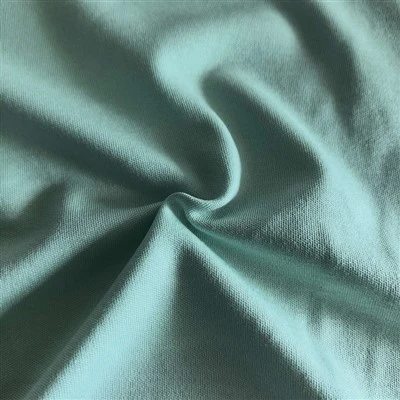
First, let’s get one thing straight right off the bat: this isn’t a black-and-white answer. Both materials have their pros, their cons, and way too many myths floating around. I’ve had people come in saying “bamboo is 100% organic so it’s perfect!” and others saying “polyester is unkillable so it’s the only way to go!” Neither of those is totally true, and I want to be real about that, not just push my own product (even though I sell bamboo fabric – but I’d never lie to someone who’d actually be better with polyester for their needs).
Let’s start with the skin part because that’s what most people notice first. Polyester is a synthetic plastic, right? It’s made from petroleum, same as your water bottle or a grocery bag. When you wear polyester, especially if it’s cheap and not moisture-wicking or moisture-managed, it traps sweat and bacteria against your skin. I’ve had customers tell me they get rashes or breakouts from polyester activewear, and that makes sense – the fabric doesn’t let your skin breathe. It’s basically a non-porous barrier. Bamboo fabric, though – the good kind, not the cheap stuff that’s actually just rayon (more on that in a sec) – is naturally breathable. It has little micro-gaps in the fiber structure that let air flow through, so sweat evaporates instead of sitting on your skin. I’ve had someone switch from polyester workout shirts to my bamboo ones and say they stopped getting that weird musty smell after a workout, which is a big one. That said, not all bamboo fabric is equal – a lot of what’s sold online is “bamboo-derived rayon,” which is processed with harsh chemicals (like carbon disulfide) to break down the bamboo pulp. That stuff is basically a synthetic fiber too, and I’d argue it’s not much better than polyester. Real bamboo fabric, the kind I supply, is usually woven in a way that keeps more of the natural plant fibers intact, so it’s softer and less irritating for sensitive skin.
Next up, sustainability – this is where most of the debate really heats up, and where I’ve seen way too many lies from both sides. Let’s do the deep dive here, because sustainability isn’t just “is it renewable?” it’s also water use, chemicals, waste, and what happens when you’re done with it. Polyester is a plastic, so first, it’s made from a finite resource: petroleum. That’s a big red flag for a lot of people. Producing 1 kg of polyester uses around 110 MJ of energy and releases about 5.5 kg of carbon dioxide – that’s more than some natural fibers, actually. Then, when polyester clothing wears out, it doesn’t biodegrade. It breaks down into microplastics every time you wash it – those tiny plastic particles go down your drain, into oceans, into fish, even back into your drinking water. That’s a huge environmental problem that’s been getting a lot of press lately.
Now, what about bamboo? Bamboo is technically a renewable resource. It grows way faster than trees – like, 3 feet a day fast – so it can be harvested every 3-5 years instead of 20+ for trees, no need to replant because the roots stay intact. That sounds great, right? But here’s the catch: if you’re not sourcing bamboo responsibly, it can have issues. A lot of large-scale bamboo farms use a ton of pesticides and fertilizers because they’re grown in monocrops, just like corn or soy. Also, as I mentioned earlier, most bamboo fabric on the market is bamboo rayon, which is processed with harsh chemicals. The good news is, the bamboo I supply is made with a closed-loop manufacturing process – that means 95% of the chemicals used to turn bamboo pulp into fabric are captured and reused, so almost nothing gets released into the environment. And real, unprocessed bamboo fabric (like the woven type we make) doesn’t use those harsh chemicals at all – it’s just the natural fiber spun into thread.
When it comes to end-of-life, that’s another big difference. Polyester is a plastic, so it’s basically trash forever. You can recycle it, but only about 15% of polyester actually gets recycled globally, and most of that downcycles into lower-quality materials that can’t be recycled again. Bamboo fabric, if it’s real organic bamboo without harsh chemical finishes, will actually compost in about 1-2 years – way faster than cotton, even, which takes about 5 months but often has chemical finishes that slow that down. Again, the caveat: if you buy that cheap “bamboo fabric” that’s just rayon with a bamboo label, it’s still a synthetic, so it won’t compost properly. That’s why I always tell people to check the label – if it just says “bamboo” without specifying “100% organic bamboo fabric” or mentioning closed-loop manufacturing, it’s probably the rayon stuff.
Wait, but let’s talk about durability, because that’s where a lot of people write off bamboo as too flimsy. Polyester is tough – it doesn’t tear easily, it holds its shape for a long time, it resists stains and wrinkles. That’s why it’s used for workwear, outdoor gear, activewear that takes a beating. Bamboo fabric, if it’s the lightweight kind, can pill a little more than polyester if you’re rough with it, right? But here’s the thing: good bamboo fabric (especially the thicker, woven types) is actually pretty durable if you take care of it. I’ve had customers use my bamboo shirts for 2 years, washing them weekly, and they’re still in way better shape than a cheap polyester shirt they bought at the same time. Also, polyester doesn’t breathe, so even if it lasts longer, if it’s uncomfortable or causes skin issues, you might end up replacing it anyway, which can cancel out the longevity benefit. And let’s be real – a lot of polyester products are designed to be disposable, not lasting. Fast fashion uses cheap polyester that falls apart after a few washes, so you’re buying new all the time, which is way worse for the planet than buying a high-quality bamboo shirt that lasts.
Cost is another big one, right? Polyester is cheap to manufacture, so it’s usually cheaper upfront. A $10 polyester t-shirt is super common, whereas a $25 bamboo t-shirt sounds expensive. But again, you have to look at the long run. If that $10 polyester shirt falls apart after 3 washes, you’re buying 10 of those a year, which is $100 total. A $25 bamboo shirt lasts 2 years, so that’s $12.50 a year – way cheaper. Also, a lot of people don’t factor in the hidden costs: polyester contributes to microplastic pollution, which has environmental and even health costs that aren’t included in the price tag. Bamboo might cost more upfront, but it’s better for your skin, the planet, and longer-lasting.
I get it, though – not everyone needs bamboo fabric. If you’re making outdoor gear that’s going to get dragged through mud, rain, and rough terrain, polyester is probably the better call. It’s water-resistant, abrasion-resistant, holds up to harsh conditions way better than even good bamboo. If you’re making budget clothing for a fast fashion brand that needs to be super cheap to produce, polyester makes sense right now. But if you’re making everyday clothing – t-shirts, loungewear, bed sheets, activewear for gym days where comfort matters – bamboo is a no-brainer, as long as you get the real stuff.
Wait, let’s clear up a common myth too: people say bamboo fabric is less absorbent than polyester for sweat. Wait, no – the micro-gaps in bamboo fibers actually make it more absorbent, which is why it’s great for loungewear and activewear. The problem with cheap polyester is that it traps sweat, but good moisture-wicking polyester is actually pretty good. But even then, I’ve had people say they feel drier in bamboo activewear than in the wicking polyester stuff, because the bamboo lets the moisture evaporate instead of moving it to the outside. That’s a fun fact I’ve learned from customers over the years.
Another thing: odors. I mentioned this earlier, but it’s a big one. Polyester holds onto odor – even if you wash it, sweat and bacteria get stuck in the fibers, so you can get that musty smell after a few wears. Bamboo has natural antibacterial properties, right? The plant has a compound called bamboo kun that resists bacteria and odor. So you can wear a bamboo shirt for 2 or 3 days (depending on how hard you work out in it) and it won’t smell, whereas a polyester shirt would reek after one wear. That’s a huge plus for travel, workwear, anything where you can’t wash clothes every day.
Now, let’s be honest about the downsides of bamboo, because I don’t want to sound like I’m just selling something. The main downside is that low-quality bamboo products are total greenwashing. A lot of brands slap “bamboo” on a label to charge more, but they’re actually making bamboo rayon, which is processed with harmful chemicals. That’s why it’s so important to find a supplier (like me, wink wink) that can tell you exactly how the fabric is made, where the bamboo is sourced, and if they use closed-loop manufacturing. If you buy a random $5 “bamboo” top on Amazon, it’s probably that rayon stuff, which is basically synthetic polyester in a bamboo wrapper – so you get none of the benefits, just the same environmental issues.
The other downside is that bamboo fabric can be a little harder to dye than polyester. Polyester takes dye really well, so you can get super bright, long-lasting colors. Bamboo, especially organic bamboo, needs natural dyes usually, which might fade a little faster, or you have to use more careful dyeing processes. That’s not a dealbreaker for most people, but it’s something to consider if you’re looking for super vibrant, long-lasting colored clothes.
So let’s wrap this up. Is bamboo fabric better than polyester? It depends on what you’re using it for, what you value, and which type of each material you’re getting. If you care about skin comfort, natural antibacterial properties, lower long-term environmental impact (as long as it’s responsibly sourced), less odor, and longer-lasting everyday clothing, then yes, good bamboo fabric is way better. If you need something super durable for harsh outdoor use, or you’re on a strict tight budget and only need something that will last a few months, polyester might make more sense for you.
But here’s the thing I always tell new customers: most people don’t realize that polyester’s downsides aren’t just “it’s plastic” – they’re actual things you notice in your everyday life: rashes, stinky clothes, shirts that fall apart after a month. Bamboo’s benefits are tangible: soft clothes, no rashes, less frequent replacements, better for the planet.
If you’re a brand owner, a designer, or anyone looking to source fabric for products, I’ve spent years perfecting my bamboo fabric supply – we work directly with farms that use sustainable practices, closed-loop manufacturing, and our fabric is 100% organic, no cheap bamboo rayon here. I know how overwhelming it can be to sift through all the marketing hype and misinformation, so I’m always down to chat through what your specific needs are, whether that’s loungewear, activewear, bed sheets, whatever. I don’t push my product on people if it’s not the right fit – but if you’re tired of polyester frustrations and want a fabric that actually lives up to the hype, reach out to talk through your project.
I’ve been in this business long enough to know that there’s no one perfect fabric for everyone, but the bias toward polyester just because it’s cheap and durable is starting to shift, and it’s because people are noticing the real downsides. Bamboo isn’t a perfect magic fabric, but for most everyday uses, it’s way better than cheap polyester – and if you get the right kind, it’s better than even high-performance polyester for comfort and sustainability.
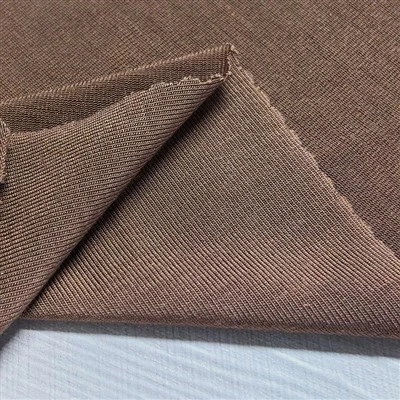
Don’t just take my word for it, though – check out the research if you want to dive deeper. There’s a ton of studies on microplastics from polyester, on bamboo’s natural properties, and on sustainable textile manufacturing that back up what I’ve seen firsthand working with this fabric for years. And if you’re ready to test it out for your own project, hit me up to discuss your sourcing needs.
Knitted Fabric REFERENCES
Textile Institute. (2022). Sustainable Fiber Performance Report.
Environmental Protection Agency. (2021). Microplastic Pollution from Synthetic Textiles.
International Organization for Standardization. (2020). Standards for Bamboo Textile Manufacturing.
Journal of Cleaner Production. (2021). Comparative Life Cycle Assessment of Bamboo and Polyester Fabrics.
Shaoxing Valu Textile Co., Ltd.
Shaoxing Valu Textile Co., Ltd. is one of the most professional bamboo fabric manufacturers and suppliers in China. We have world-leading production equipment and strong manufacturing capabilities. Please feel free to wholesale bulk high quality bamboo fabric made in China here from our factory. Also, custom service is available.
Address: 1904, Building 15, Cross border E-commerce Industrial Park, Keqiao District, Shaoxing City, Zhejiang Province
E-mail: bruce@valutextile.com
WebSite: https://www.valutextile.com/
