Hey there! I’m a supplier of Polyaluminium Chloride (PAC), and I’m super excited to chat with you about its applications in industrial wastewater treatment. As someone deeply involved in this industry, I’ve seen firsthand how PAC can work wonders in dealing with all sorts of industrial wastewater problems. Polyaluminium Chloride
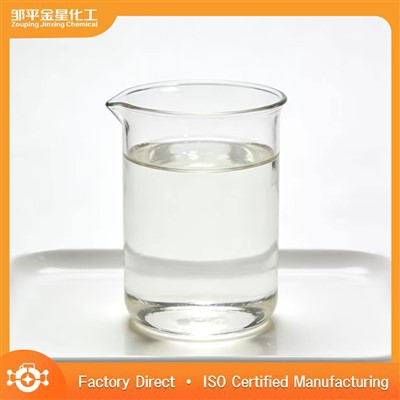
Understanding Polyaluminium Chloride
First off, let’s get to know what PAC is. Polyaluminium Chloride is a kind of inorganic polymer coagulant. It’s like a magic powder that can make a big difference in wastewater treatment. It comes in different forms, like solid and liquid, and each form has its own advantages. The composition of PAC can vary, and the quality can also be different depending on the production process and the raw materials used. But no matter the form or quality, its main job in wastewater treatment is to coagulate and flocculate those pesky particles in the water.
The Problem with Industrial Wastewater
Industrial wastewater is no joke. It’s full of all kinds of pollutants, including heavy metals, organic compounds, and suspended solids. If this wastewater is not treated properly, it can have a huge impact on the environment. It can contaminate rivers, lakes, and groundwater, which can harm aquatic life and even affect human health. That’s why effective wastewater treatment is so important, and PAC plays a key role in it.
Applications of PAC in Industrial Wastewater Treatment
1. Removal of Suspended Solids
One of the most common applications of PAC in industrial wastewater treatment is the removal of suspended solids. Suspended solids are tiny particles that float in the water, making it look cloudy and dirty. PAC works by neutralizing the charges on these particles, causing them to stick together and form larger flocs. Once these flocs are formed, they can be easily removed from the water through processes like sedimentation or filtration.
For example, in the mining industry, wastewater often contains a high concentration of suspended solids from the ores. By adding PAC to the wastewater, the suspended solids can be quickly coagulated and settled out, making the water much clearer. In the paper – making industry, PAC can also help in removing the fine fibers and other suspended materials from the wastewater, which is not only good for environmental protection but also allows for the recovery of some valuable resources.
2. Heavy Metal Removal
Heavy metals like lead, mercury, cadmium, and chromium are extremely toxic and can cause serious health problems if they enter the environment. PAC can help in removing these heavy metals from industrial wastewater. It does this by forming insoluble complexes with the heavy metal ions. These complexes then settle out of the water, along with the flocs formed by the coagulation process.
In electroplating industry, the wastewater usually contains various heavy metals. PAC can be used as a pre – treatment agent to reduce the heavy metal concentration. After the treatment with PAC, the water can meet the standards for further treatment or even for discharge in some cases.
3. Oil and Grease Separation
In industries such as food processing, petrochemicals, and machinery manufacturing, the wastewater often contains oil and grease. PAC can break the emulsion of oil and water and cause the oil droplets to coalesce. Once the oil droplets are large enough, they can be separated from the water by processes like skimming or flotation.
For instance, in a food processing plant, the wastewater may have a lot of fat and oil from the cooking and cleaning processes. By adding PAC to the wastewater, the oil and grease can be effectively separated, reducing the pollution load and protecting the subsequent treatment processes.
4. Color and Odor Removal
Industrial wastewater often has an unpleasant color and odor, which is mainly due to the presence of organic compounds. PAC can react with these organic compounds and break them down, reducing the color and odor of the wastewater.
In the textile industry, the wastewater is usually highly colored due to the dyes used. PAC can help in removing the color by coagulating the dye molecules and making them settle out. This not only improves the appearance of the treated water but also indicates a significant reduction in the organic pollution.
Advantages of Using PAC in Industrial Wastewater Treatment
There are several reasons why PAC is so popular in industrial wastewater treatment.
Firstly, it’s very cost – effective. Compared to some other coagulants, PAC can achieve good treatment results at a relatively low cost. This is a big plus for industries, especially those with large volumes of wastewater to treat.
Secondly, PAC has a wide range of pH adaptability. It can work well in different pH conditions, which means it can be used in various types of industrial wastewater without the need for precise pH adjustment in many cases.
Thirdly, it has a high flocculation efficiency. It can form large and dense flocs quickly, which makes the sedimentation and filtration processes much easier and faster. This results in a shorter treatment time and higher throughput.
Real – world Examples
Let me share a couple of real – world examples of how PAC has been used effectively in industrial wastewater treatment.
There was a chemical plant that was facing problems with its wastewater. The wastewater contained a high amount of suspended solids, heavy metals, and organic compounds. They tried different treatment methods but didn’t get satisfactory results. Then they started using PAC. The PAC quickly coagulated the suspended solids and formed large flocs. The heavy metals were also removed effectively, and the organic compounds were partially broken down. As a result, the quality of the treated water improved significantly, and the plant was able to meet the environmental discharge standards.
Another example is a leather – tanning factory. The wastewater from leather tanning is full of chromium, other heavy metals, and organic matter. By using PAC in their wastewater treatment system, they were able to reduce the heavy metal content and the organic pollution load. This not only helped them to protect the environment but also saved them money on further treatment costs.
How to Use PAC in Industrial Wastewater Treatment
Using PAC in industrial wastewater treatment is not that complicated. First, you need to determine the appropriate dosage of PAC. This depends on the characteristics of the wastewater, such as the concentration of pollutants, the pH value, and the temperature. Usually, it’s a good idea to do some small – scale experiments to find the optimal dosage.
Once you’ve determined the dosage, you can add PAC to the wastewater. It’s best to add it slowly and evenly while stirring the wastewater to ensure good mixing. After the addition of PAC, you need to wait for a certain period to allow the coagulation and flocculation processes to take place. Then, you can use sedimentation, filtration, or other separation methods to remove the flocs and the treated water.
Conclusion
In conclusion, Polyaluminium Chloride is a powerful tool in industrial wastewater treatment. It can effectively remove suspended solids, heavy metals, oil and grease, and reduce color and odor in wastewater. With its cost – effectiveness, wide pH adaptability, and high flocculation efficiency, it has become a popular choice for many industries.

If you’re an industry dealing with wastewater treatment and are looking for a reliable and efficient solution, I highly recommend considering PAC. As a PAC supplier, I can provide you with high – quality PAC products and professional advice on how to use them in your specific wastewater treatment process. Whether you’re in the mining, paper – making, electroplating, food processing, or any other industry, PAC can help you solve your wastewater problems.
Sodium Hydroxide So, if you’re interested in learning more about our PAC products or want to discuss your specific wastewater treatment needs, don’t hesitate to get in touch. Let’s work together to make our industrial wastewater treatment more effective and environmentally friendly!
References
- Wang, X. (2018). Application of Polyaluminium Chloride in Industrial Wastewater Treatment. Journal of Environmental Science and Technology.
- Li, Y. (2019). Research on the Coagulation Mechanism of Polyaluminium Chloride in Wastewater Treatment. Chemical Engineering Journal.
- Zhang, Z. (2020). Case Studies of Polyaluminium Chloride in Industrial Wastewater Treatment. Industrial Water Treatment Journal.
Zouping Jinxing Chemical Co., Ltd.
Zouping Jinxing Chemical Co., Ltd. is one of the most reliable polyaluminium chloride manufacturers and suppliers in China, also supports customized service with low price. Please feel free to wholesale cheap polyaluminium chloride in stock here from our factory. For free sample, contact us now.
Address: Guojia Village, Jiaoqiao Town, Binzhou City, Shandong Province, China
E-mail: admin@zpjxhg.com.cn
WebSite: https://www.zpjinxing.com/
