As a provider of Stone Raised Access Floors, I’ve had the privilege of working closely with a diverse range of clients, from data centers to corporate offices. One question that frequently comes up is how to enhance the durability of these floors. Stone Raised Access Floors are known for their robustness and aesthetic appeal, but like any building material, they require proper attention and care to ensure a long – lasting performance. In this blog, I’ll share some practical strategies based on my experience in the industry. Stone Raised Access Floor
1. Material Selection
The journey to a durable Stone Raised Access Floor begins with the choice of materials. First and foremost, the quality of the stone itself is paramount. Look for stones with high compressive strength and low water absorption rates. For example, granite is often an excellent choice. It has inherent hardness and resistance to wear and tear, making it well – suited for high – traffic areas. Marble, on the other hand, while elegant, may require more maintenance due to its relatively softer nature and susceptibility to scratching and staining.
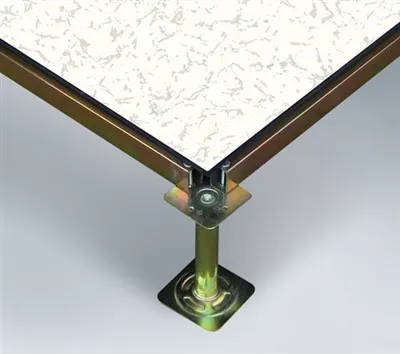
In addition to the stone surface, the sub – structure of the raised floor is equally important. The pedestals and stringers should be made from high – quality metals, such as galvanized steel or aluminum. Galvanized steel offers excellent corrosion resistance, protecting the structure from rust and damage over time. Aluminum, being lightweight yet strong, can also be a great option, especially in areas where weight restrictions are a concern.
2. Professional Installation
No matter how good the materials are, improper installation can significantly reduce the durability of Stone Raised Access Floors. It is crucial to hire experienced and certified installers. They have the knowledge and skills to ensure that the floor is leveled correctly. An uneven floor can lead to uneven distribution of weight, which may cause some areas of the stone to bear more stress than others, resulting in premature cracking or damage.
During the installation process, the pedestals should be securely fixed to the sub – floor. This not only provides stability but also helps to prevent any movement or shifting of the floor panels. The stringers should be properly connected to the pedestals, creating a rigid framework that can support the weight of the stone panels and any equipment or furniture placed on the floor.
Moreover, the joints between the stone panels need to be carefully sealed. A proper sealant not only enhances the aesthetic appeal of the floor but also prevents moisture from seeping into the sub – structure, which could lead to corrosion and other problems.
3. Regular Maintenance
Regular maintenance is the key to extending the lifespan of Stone Raised Access Floors. One of the most basic maintenance tasks is daily cleaning. Remove dirt, dust, and debris from the surface of the floor using a soft – bristled broom or a vacuum cleaner. These small particles can act as abrasives, scratching the stone surface over time.
For deeper cleaning, use a pH – neutral cleaning solution specifically designed for stone floors. Avoid using harsh chemicals, as they can damage the stone. For example, acidic cleaners can etch the surface of marble, while alkaline cleaners may discolor some types of stone.
In areas with high foot traffic, it is advisable to place mats at entrances to trap dirt and moisture before people walk onto the floor. This can significantly reduce the amount of debris that is tracked onto the stone surface, minimizing the risk of scratches and damage.
Periodically inspect the floor for any signs of damage, such as cracks, chips, or loose panels. If any issues are detected, address them promptly. Small cracks can be repaired using appropriate stone repair kits, while loose panels can be re – secured to prevent further problems.
4. Load Management
Understanding and managing the load on Stone Raised Access Floors is essential for their durability. Each type of stone raised floor has a specified load – bearing capacity, which should not be exceeded. In data centers, for example, there may be heavy server racks and other equipment. Before placing these items on the floor, calculate the weight distribution and ensure that it is evenly spread across the floor panels.
If necessary, use load – distributing pads or platforms under heavy equipment. These pads can help to spread the weight over a larger area, reducing the pressure on individual floor panels. In addition, when moving heavy equipment, use dollies or other appropriate lifting devices to minimize the impact on the floor surface. Avoid dragging heavy objects across the floor, as this can cause scratches and damage to the stone.
5. Environmental Control
The environment in which the Stone Raised Access Floors are installed can have a significant impact on their durability. Temperature and humidity fluctuations can cause the stone to expand and contract, leading to cracking or other forms of damage. In areas with extreme temperature or humidity variations, it is important to install a proper environmental control system.
For example, in a data center, maintaining a stable temperature and humidity level is crucial not only for the equipment but also for the floor. The ideal temperature range is typically between 18°C and 27°C, and the relative humidity should be maintained between 40% and 60%.
In addition, protect the floor from direct sunlight. Prolonged exposure to sunlight can cause the color of the stone to fade over time, especially for some types of colored stone. Use blinds or curtains to block the sunlight during peak hours, or install UV – resistant coatings on the stone surface.
6. Training for Users
Another aspect that is often overlooked is training for the users of the space. Employees, visitors, or any other people who interact with the Stone Raised Access Floors should be educated about proper floor usage. They should be aware of the weight limits, the importance of not dragging heavy objects, and the proper cleaning procedures.
Provide clear signage in the area to remind people of these rules. For example, a sign near the entrance could indicate the weight limit for objects being brought into the room, and a sign in the cleaning supply area could list the approved cleaning products for the stone floor.
7. Collaboration with Suppliers
As a Stone Raised Access Floor supplier, I highly recommend collaborating closely with us throughout the lifespan of your floor. We have in – depth knowledge of the products we offer and can provide valuable advice on installation, maintenance, and any issues that may arise.
We can also offer product – specific recommendations. For example, if you are in an area with a high risk of chemical spills, we can suggest stones that are more resistant to chemical corrosion. And if you are planning to upgrade your space in the future, we can provide guidance on how to make the necessary changes to your floor without compromising its durability.

In conclusion, improving the durability of Stone Raised Access Floors is a multifaceted process that involves careful material selection, professional installation, regular maintenance, load management, environmental control, user training, and collaboration with suppliers. By following these strategies, you can ensure that your Stone Raised Access Floors not only look great but also serve you well for many years to come.
Data Center Technical Floor If you are interested in learning more about our Stone Raised Access Floors or are considering a purchase, I encourage you to reach out to us for a detailed discussion. Our team of experts is ready to assist you in finding the best solution for your specific needs.
References
- Building Materials Handbook, McGraw – Hill
- Stone Flooring Installation and Maintenance Guide, National Association of Stone Fabricators and Installers
- Environmental Control in Commercial Buildings, American Society of Heating, Refrigerating and Air – Conditioning Engineers (ASHRAE)
- Load – Bearing Design for Flooring Systems, Structural Engineering Institute (SEI) of the American Society of Civil Engineers (ASCE)
Fineco Tech Co., Ltd.
As one of the most professional stone raised access floor manufacturers and suppliers in China, we’re featured by quality products and good service. Welcome to wholesale customized stone raised access floor made in China here from our factory. If you have any enquiry about cooperation, please feel free to email us.
Address: Wuyue Square, Wujin District, Changzhou, Jiangsu, China
E-mail: info@finecotech.com
WebSite: https://www.finecoglobal.com/
