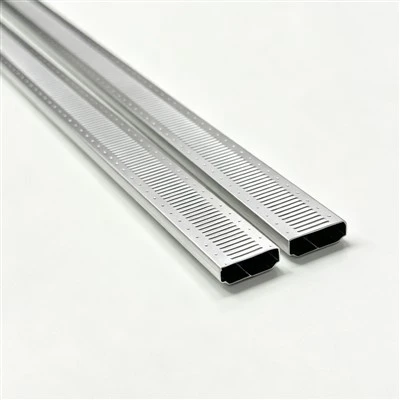
As a professional in the fenestration industry and a supplier of Warm Edge Spacer Bars (WESBs), I’ve witnessed firsthand the transformative impact of these innovative components on the performance of windows. Among the many benefits they offer, one that stands out is their role in mitigating frost formation on windows. In this blog post, I’ll delve into the science behind frost formation on windows, explore how WESBs can make a difference, and share insights on the broader implications for energy efficiency and comfort in buildings. Warm Edge Spacer Bar
Understanding Frost Formation on Windows
To appreciate the impact of WESBs on frost formation, it’s essential to first understand the underlying processes that lead to frost development. Frost forms when the temperature of a window surface drops below the dew point of the surrounding air, causing water vapor in the air to condense and then freeze directly into ice crystals. This phenomenon is more likely to occur in colder climates or during the winter months when the temperature difference between the indoor and outdoor environments is significant.
Several factors contribute to the susceptibility of windows to frost formation. One of the primary factors is the thermal conductivity of the window frame and spacer bars. Spacer bars are the components that separate the panes of glass in insulated glass units (IGUs), and they play a crucial role in maintaining the integrity and performance of the window. Traditional spacer bars, typically made of aluminum or other metal materials, have high thermal conductivity, which means they can transfer heat quickly from the warm indoor environment to the cold outdoor environment. This creates a significant temperature gradient across the window, with the inner surface of the glass near the spacer bar being much colder than the rest of the glass. As a result, water vapor is more likely to condense and freeze on these cold spots, leading to frost formation.
Another factor that influences frost formation is the airtightness of the window. If the window is not properly sealed, warm and moist indoor air can leak into the space between the glass panes, increasing the humidity level and the likelihood of condensation and frost. Additionally, poor ventilation can contribute to high humidity levels indoors, further exacerbating the problem.
The Role of Warm Edge Spacer Bars in Preventing Frost Formation
WESBs are designed to address the limitations of traditional spacer bars by reducing their thermal conductivity and improving the overall thermal performance of the window. Unlike traditional metal spacer bars, WESBs are made from materials with low thermal conductivity, such as engineered plastics, composite materials, or stainless steel with thermal breaks. These materials act as insulators, minimizing the transfer of heat through the spacer bar and reducing the temperature gradient across the window.
By reducing the temperature difference between the inner surface of the glass near the spacer bar and the rest of the glass, WESBs help to prevent the formation of cold spots on the window. As a result, water vapor is less likely to condense and freeze on the glass surface, reducing the occurrence of frost. This not only improves the aesthetic appearance of the window but also enhances its energy efficiency and performance.
In addition to their thermal insulation properties, WESBs also help to improve the airtightness of the window. Many WESBs are designed with integrated seals or gaskets that provide a tight seal between the glass panes, preventing warm and moist indoor air from leaking into the space between the panes. This helps to maintain a lower humidity level inside the IGU, further reducing the risk of condensation and frost formation.
Scientific Evidence and Case Studies
Numerous scientific studies have demonstrated the effectiveness of WESBs in reducing frost formation on windows. For example, a study conducted by the Fraunhofer Institute for Building Physics in Germany found that the use of WESBs in IGUs can significantly reduce the surface temperature difference between the glass near the spacer bar and the rest of the glass. The study showed that in cold climate conditions, the temperature difference was reduced by up to 5°C when using WESBs compared to traditional metal spacer bars. This reduction in temperature difference led to a significant decrease in the occurrence of frost formation on the window surface.
Real-world case studies also provide compelling evidence of the benefits of WESBs. In a residential building project in a cold climate region, the installation of windows with WESBs resulted in a noticeable reduction in frost formation on the windows. Homeowners reported that the windows remained clear and free of frost even during the coldest winter months, improving both the comfort and energy efficiency of their homes.
Broader Implications for Energy Efficiency and Comfort
The impact of WESBs on frost formation extends beyond the aesthetic benefits of clear and frost-free windows. By reducing the occurrence of frost, WESBs can also improve the energy efficiency of buildings. Frost on windows acts as an insulator, reducing the amount of sunlight that can enter the building and increasing the need for artificial lighting. Additionally, the presence of frost can cause the window to become less effective at insulating the building, leading to increased heat loss and higher energy bills.
By preventing frost formation, WESBs help to maintain the transparency of the window, allowing more sunlight to enter the building and reducing the need for artificial lighting. This not only saves energy but also improves the visual comfort of the occupants. Furthermore, by reducing heat loss through the window, WESBs contribute to better thermal insulation, keeping the indoor environment warmer and more comfortable during the winter months.
Conclusion and Call to Action
In conclusion, WESBs play a crucial role in preventing frost formation on windows by reducing the thermal conductivity of the spacer bar and improving the overall thermal performance of the window. The scientific evidence and real-world case studies clearly demonstrate the effectiveness of WESBs in this regard, with significant benefits for energy efficiency, comfort, and aesthetics.

If you’re in the market for high-performance windows that can withstand the challenges of cold climates and prevent frost formation, I invite you to consider our range of Warm Edge Spacer Bars. Our products are designed using the latest technology and materials to provide superior thermal insulation and performance, ensuring that your windows remain clear and frost-free even in the most extreme conditions.
Machine Fill Molecular Sieve To learn more about our Warm Edge Spacer Bars and how they can benefit your next window project, please don’t hesitate to contact us. We’re here to answer your questions, provide technical support, and help you find the right solution for your specific needs. Together, let’s make windows that are more energy-efficient, comfortable, and beautiful.
References
- Fraunhofer Institute for Building Physics. (Year). Research on the thermal performance of Warm Edge Spacer Bars in insulated glass units.
- Industry Report on Window Energy Efficiency. (Year). Impact of Warm Edge Spacer Bars on frost formation and energy consumption.
- Case Study: Residential Building in Cold Climate Region. (Year). Reduction of frost formation using Warm Edge Spacer Bars.
Renqiu City Xinjian Metal Products Co., Ltd.
Renqiu City Xinjian Metal Products Co., Ltd. is one of the most professional warm edge spacer bar manufacturers and suppliers in China. With abundant experience, we warmly welcome you to wholesale customized warm edge spacer bar from our factory. If you have any enquiry about free sample, please feel free to email us.
Address: Caicun Dajie Village, Changfeng Town, Renqiu City, Hebei Province China
E-mail: melody@xinjianmetal.com
WebSite: https://www.xjglassspacer.com/
